
Floating Dock Solutions Gain Attention Across Marine Markets in 2026
Guangzhou, Guangdong, China – November 11, 2026 – Okay, so what actually makes the best Floating Docks in 2026? Honestly, it depends—there’s no one-size-fits-all answer. You have to think about the specific site, the boats using it, and the conditions the dock has to deal with day in and day out. For example, a calm freshwater lake might be totally fine with lightweight modular sections. But a tidal marina? That’s a whole different story—you need reliable anchoring, enough freeboard, and hardware that won’t complain after constant movement. So yeah, no universal winner.Industry data makes a pretty compelling case for why dock choices deserve more attention than they usually get. In 2023, the National Marine Manufacturers Association put out an economic impact study that pegged recreational boating at around $230 billion in annual U.S. economic activity, supporting roughly 812,000 jobs. I mean, that number isn’t directly about dock sales—not by a long shot—but it kind of shows how much boating infrastructure is actually out there. And then NOAA’s 2022 Sea Level Rise Technical Report projects that average U.S. sea levels will keep rising in the coming decades.
So here’s the thing—coastal sea levels are projected to rise somewhere around 10 to 12 inches by 2050, compared to what we saw in 2000. NOAA oceanographer William Sweet summed it up pretty bluntly: “Sea level rise is happening, and it’s accelerating.” But local conditions still matter a lot; national projections can only take you so far, and honestly, they’re not a substitute for a site-specific assessment.Okay, so when I say “best” here, I don’t mean some fancy one-size-fits-all dock. I mean the dock that actually fits where you’re putting it, and one where the specs are laid out clearly—load capacity, flotation, decking, connectors, anchoring, all of it. You also want to pay attention to how it copes with boat wake, changing water levels through the seasons, and just everyday wear and tear. And don’t be shy—ask the supplier about warranties and whether replacement parts are easy to get. Because honestly, the little things can make or break your experience.Look, a polished product photo is nice, but it only tells you so much. You’ve gotta weigh the published ratings, the installation guides, and how the thing actually performs in real life. Honestly, some comparisons are never going to be perfect—manufacturers don’t always report specs the same way, and that’s just the reality. So instead of pretending every dock can be squeezed onto one neat little ranking scale, we’d rather point out those gaps and let you see them for what they are.
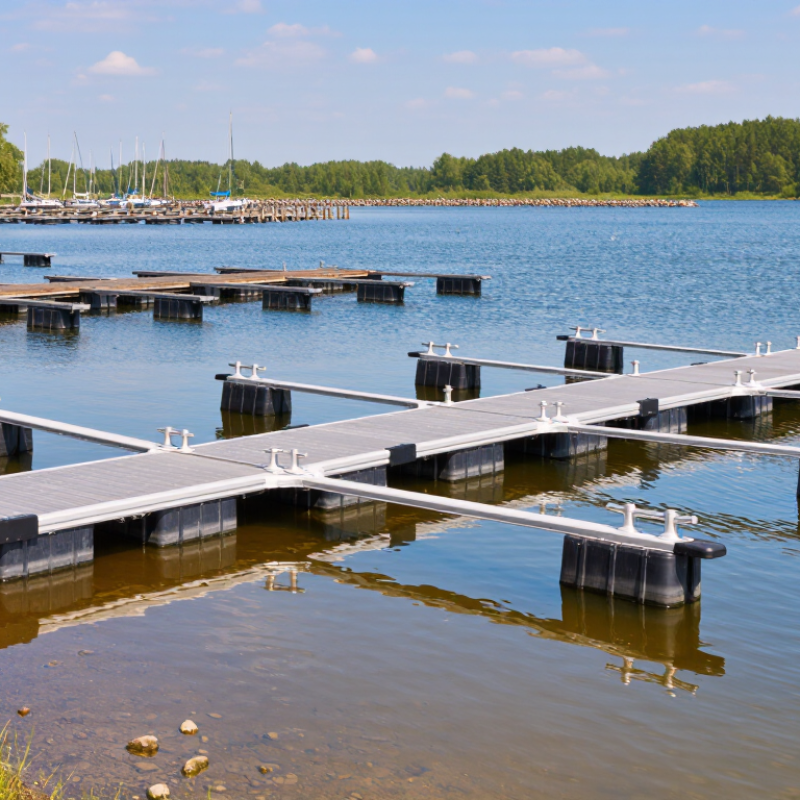
Table of Contents [Hide]1 How Floating Docks Work and Where They Are Used2 Types of Floating Docks Available in 20263 Key Criteria for Comparing Floating Dock Systems4 Best Floating Docks for Different Uses and Locations5 Materials, Durability, and Environmental Considerations6 Installation, Safety, and Long-Term MaintenanceHow Floating Docks Work and Where They Are Used
A floating dock rests on buoyant sections rather than fixed legs. Sealed floats displace water and support a deck, while hinges or connectors let modular sections move with changing levels. Anchors, cables, or shore connections limit drifting. The exact setup depends on water depth, current, wind, and expected loads.
Movement is part of the design.
You’ll find Floating Docks at marinas, lakeside homes, swimming areas, and work sites where water levels fluctuate. A level deck can make boarding easier, and removable sections can simplify seasonal storage. For personal watercraft,Inflatable Jetski Docks provide a flexible surface for parking and stepping aboard. Check the maker’s load guidance and keep the approach clear; a wet, rocking edge is less forgiving than it looks.
Maintenance is simple, but not optional. Inspect joints, anchor lines, and float chambers for wear or leaks, especially after storms. Keep weight distributed, and avoid placing heavy gear near an unsupported edge. Sunlight can weaken some materials over time. I’ve seen people focus on deck size and overlook the shoreline connection. That detail matters. It may need adjustment as water levels shift, and a dock that feels steady on a calm morning can behave differently when wind pushes against it.
Types of Floating Docks Available in 2026
Floating docks in 2026 generally fall into four types: modular plastic, aluminum-frame, timber, and floating concrete. Modular plastic sections are light, resist corrosion, and can be rearranged as shorelines or uses change. Aluminum frames feel more rigid underfoot, while timber offers a familiar surface but needs regular checks for splinters and loose fasteners. Concrete pontoons are heavy and stable, though installation and anchoring require careful planning. No type suits every site.Local water conditions matter. NOAA’s 2022 Sea Level Rise Technical Report projects 10–12 inches of average rise along U.S. coastlines from 2020 to 2050. That projection makes adjustable anchoring and adequate gangway slope practical considerations, not minor details. Check wave exposure, water depth, expected loads, and maintenance access before choosing. Small details count. A Floating Climbing Toy may be used near a dock, but it is not dock equipment; keep play areas separate from access routes and follow its stated load limits. I would not assume that a buoyant platform is automatically stable. Even a wide dock can shift in chop, and site-specific professional advice is worth considering.
Types of Floating Docks: Typical Maintenance Demand
The 1–5 scores are a qualitative comparison, not measured industry data. Timber generally needs more ongoing care; maintenance for other dock types depends on materials, hardware, exposure, and upkeep. Check site conditions and manufacturer guidance before choosing a dock.
Key Criteria for Comparing Floating Dock SystemsWhat Are the Best Floating Docks in 2026?Key Criteria for Comparing Floating Dock Systems
The best floating dock depends on water conditions, intended use, and maintenance capacity—not appearance alone. Compare rated load, buoyancy, freeboard, connector strength, and surface grip. Ask how ratings change when people, gear, and uneven loads occupy one section. A dock that sits low when loaded can make boarding awkward. Check material resistance to UV exposure, corrosion, and repeated wetting, then inspect whether individual modules can be replaced.
Local water levels matter. NOAA’s 2022 Sea Level Rise Technical Report projects 10–12 inches of sea-level rise along U.S. coastlines by 2050, compared with 2000 levels; local changes vary. This is useful planning context, not a dock-performance test. Also consider seasonal water-level swings, wind-driven waves, and boat wakes. A tidy specification sheet cannot reproduce every rough afternoon. That uncertainty deserves attention.
Tips: Walk the dock when practical. Notice flex, slippery patches, and how connections move underfoot. For Inflatable Floating Islands, compare puncture protection, inflation needs, and anchoring arrangements with those of rigid modular systems. Ask for load-test documentation and a clear inspection schedule. A low purchase price may still mean more upkeep.
Best Floating Docks for Different Uses and Locations
A floating dock should fit its setting, not just look sturdy in a product photo. For a quiet pond, modular sections can create a simple fishing or swimming platform. On a windy lake, wider sections and secure anchoring help limit movement. Check the dock’s rated capacity against people, gear, and small watercraft. Leave room for changing water levels. Details matter.
For kayak access, a low profile and a gently sloped approach make launching easier. A family swim area benefits from a stable ladder and a slip-resistant surface. At a tidal shoreline, choose connections that allow vertical movement without binding. In cold or debris-prone locations, consider how easily sections can be removed for storage. Materials also behave differently: sun, salt, ice, and repeated wetting can shorten service life. I would still recheck the site after a seasonal change; plans can miss small shifts in water depth.
Tips: Measure depth at several points, not just beside the shore. Ask a qualified dock professional to review anchoring and local conditions. Keep electrical equipment away from wet areas unless it is designed and installed for that use. Start with the intended activity, then compare options using load ratings, maintenance needs, and access requirements. A little extra planning helps.
Materials, Durability, and Environmental Considerations
The best floating docks in 2026 balance buoyancy, repairability, and low-impact materials. High-density polyethylene floats resist water and do not rot, but sunlight can make exposed surfaces brittle over time. Aluminum frames are light and durable; in saltwater, fittings and contact points need careful corrosion control.
Salt is relentless.
Wood can feel solid underfoot, yet the U.S. Forest Products Laboratory’s Wood Handbook identifies persistent moisture as a major factor in fungal decay. Inspect seams, fasteners, and underside surfaces—not just the deck.
Environmental choices deserve equal weight.
UNEP’s 2023 report Turning off the Tap estimates that 19–23 million tonnes of plastic leak into aquatic ecosystems each year. That figure is not specific to docks, but it shows why lost foam and damaged plastic components matter. Choose enclosed flotation rather than exposed, crumbly foam, and ask whether damaged parts can be replaced individually.
Small details matter.
A pale, UV-stable surface may also reduce heat under bare feet, though color alone cannot prove a dock’s durability. Check material specifications, warranties, and local water conditions; a product that performs well on a sheltered lake may struggle with wake, ice, or tidal movement. I would still want clear repair instructions before buying.
Installation, Safety, and Long-Term Maintenance
Choosing a floating dock in 2026 starts with the shoreline, not the catalog. Measure seasonal water changes, water depth, wave exposure, and the route from shore. Size floats and anchors for expected loads, including people, gear, and wakes. NOAA’s 2022 Sea Level Rise Technical Report projects 10–12 inches of average rise along U.S. coastlines by 2050, compared with 2000 levels; local projections vary. Adjustable gangways and secure connections can help accommodate changing conditions. Small details matter. Ask a qualified installer to assess the site rather than relying on a generic layout.During installation, check that walking surfaces are slip-resistant and transitions are stable underfoot. The U.S. Coast Guard’s 2023 Recreational Boating Statistics reported 564 boating deaths; 87% of drowning victims whose life-jacket status was known were not wearing one. Keep accessible life jackets near the dock, and leave a clear launch and retrieval lane if a Floating Banana Boat will be used nearby. For maintenance, inspect hinges, pins, fasteners, flotation chambers, and anchors monthly and after severe weather. Replace damaged boards and investigate new movement or unusual tilting. A checklist helps, but it cannot reveal every site-specific problem. That is easy to forget.
What Are the Best Floating Docks in 2026? – Installation, Safety, and Long-Term Maintenance
| Floating Dock Type | Typical Construction | Installation Considerations | Safety Considerations | Long-Term Maintenance | Often Suited To |
|---|---|---|---|---|---|
| Modular plastic | Interlocking molded plastic sections, commonly made from UV-stabilized polyethylene, with molded-in flotation. | Sections are assembled on shore or in the water. Secure the dock with a site-appropriate anchoring system, such as guide piles or anchor lines; allow for changing water levels and movement. | Choose a textured, slip-resistant walking surface. Check connections, edges, access ramps, and the dock’s capacity before use. Plastic surfaces can become slippery from algae or ice. | Inspect connectors, flotation chambers, anchors, and the walking surface. Remove algae and debris with methods permitted for the site; check for impact damage and UV-related wear. | Residential access, swimming areas, and locations where a modular layout or seasonal reconfiguration is useful. |
| Wood-framed | Timber deck boards attached to a frame supported by sealed floats or flotation drums. | Requires careful framing and secure flotation attachment. Account for the combined weight of the frame, decking, users, and equipment when sizing flotation and anchoring. | Use sound, splinter-free decking and secure handrails where appropriate. Keep the deck level and check for protruding fasteners, loose boards, and slippery growth. | Regularly inspect for rot, splitting, loose fasteners, corrosion at metal connections, and leaks or damage in floats. Replace deteriorated components and use only treatments suitable for the aquatic setting. | Custom layouts and settings where repairable, locally available materials are preferred. |
| Aluminum-framed | Aluminum frame and decking or deck panels supported by separate flotation units. | Assembly may require bolted connections and suitable lifting assistance. Confirm that the frame, floats, and anchoring arrangement are compatible and sized for the intended loads and exposure. | Check that walking surfaces provide adequate grip and that joints and edges are free of trip hazards. Inspect fasteners and connections, especially after storms or seasonal removal. | Rinse off salt or other deposits where relevant. Inspect fasteners, joints, flotation units, and dissimilar-metal contact points for corrosion or wear; follow the manufacturer’s care guidance. | Users seeking a relatively lightweight framed dock that can be configured for a particular site. |
| Concrete floating | Reinforced concrete deck or shell supported by flotation chambers, often designed as a substantial dock section. | Typically requires professional planning, suitable lifting equipment, and a carefully engineered anchoring system. Confirm access for delivery and installation, water depth, and site conditions before selecting this type. | Check the walking surface for cracks, uneven areas, and slippery growth. Provide safe transitions to shore and keep access routes clear; substantial mass does not eliminate the need for secure anchoring. | Inspect concrete for cracking or spalling and flotation chambers for damage or water entry. Have structural or anchoring concerns assessed by a qualified professional. | Higher-load or more permanent installations where site access and engineering support are available. |
| Timber float dock | Wood decking and framing supported by purpose-made floats, with the float layout selected for the intended loads. | Plan float spacing, connections, access, and anchoring as a complete system. Ensure the dock can move safely with water-level changes without binding against shore structures or piles. | Maintain a stable, even surface and secure transitions at ramps. Check flotation and connections for uneven settling, which can create trip hazards or excessive tilt. | Inspect timber, fasteners, float attachments, and flotation for deterioration or leakage. Clean the surface and repair loose or damaged parts promptly. | Small private docks and custom projects where straightforward component-by-component repair is desirable. |
| Best choice depends on site | No single construction type is best for every shoreline, waterway, or use. | Compare water-level range, waves, currents, ice, bottom conditions, shore access, expected loads, and seasonal installation needs. Check local permits and navigation requirements before work begins. | Use suitable access equipment, keep the dock within its rated capacity, and provide life-saving equipment as appropriate. Electrical equipment near water should be installed and inspected by a qualified electrician in accordance with applicable codes. | Set a routine inspection schedule and inspect again after severe weather, impact, or seasonal changes. Follow care and load guidance for the specific dock system. | Any project where durability, safe access, maintenance effort, and local conditions are considered together. |
Planning note: Capacity, anchoring, permits, and suitable materials depend on the dock design and local conditions. Confirm requirements with the relevant authorities and a qualified dock or marine professional before installation.
FAQS
How does a floating dock stay above water?
Sealed floats displace water and support the deck. Connectors let sections move with changing water levels.
Where are floating docks commonly used?What types of floating docks are available?How should I choose a floating dock?Can a floating dock feel unstable?What should I inspect during maintenance?How can I reduce strain on the dock?Do floating docks need adjustable anchoring?Can play equipment sit beside a floating dock?Conclusion
Floating Docks provide adaptable access to the water by using buoyant sections that rise and fall with changing water levels. They are used in settings ranging from calm residential shorelines to busy marinas and recreational areas. In 2026, available options include modular systems, fixed-size platforms, and designs suited to different water conditions and activities. Choosing the right dock means considering intended use, water depth, waves, weather, load capacity, ease of expansion, and overall cost.Materials and construction affect a dock’s durability, maintenance needs, and environmental impact. A well-matched system should resist local weather and water conditions while minimizing disruption to the surrounding area. Proper installation, secure connections, safe access, and regular inspections help keep Floating Docks reliable over time. Routine cleaning and timely repairs can extend their service life and support safe, comfortable use throughout the seasons.
About Us
We are a leading supplier of high-quality products, integrating both trade and manufacturing, established in 2012. With over 12 years of rich production experience, we have accumulated deep expertise in delivering exceptional products. We are committed to excellence, meticulously handling every product to ensure that each step in the production process meets the strictest standards.
Media Contact
Company Name: Guangzhou Huayue Inflatable Products Toys Co., Ltd.
Contact Person: Media Relations
Email: Send Email
Country: China
Website: https://www.huayueinflatable.com/


