
Why Choose Solar Cable for Any Solar Power System
Foshan City, Guangdong Province, China – September 8, 2026 – Solar power is really taking off these days, growing at an incredible pace. In 2023, the International Energy Agency reported nearly 400 gigawatts of new solar capacity added worldwide — crazy, right? And IRENAs’s data shows that solar was the biggest driver behind all that renewable energy growth last year. But behind every single solar panel, there are tiny components carrying huge responsibilities. Take Solar Cables, for example — they’re the lifelines that move direct-current power across rooftops, fields, inverters, and battery systems.Honestly, they work pretty quietly. But a good Solar Cable needs to tough it out — UV rays, moisture, temperature swings, mechanical pulls, electrical loads, you name it. There are standards like IEC 62930 and EN 50618 that set performance benchmarks for these cables, and testing labs like TÜV Rheinland and UL really focus on insulation durability, flame resistance, conductor quality, and how well connectors hold up. These details might seem minor, but think about a cable snaking across a hot roof at 70°C or slipping through a sharp metal tray — every little thing counts.As Dr. Ewan Dunlop, an expert in photovoltaic reliability, once said, “A PV system is only as reliable as its weakest link.” I know, it sounds obvious, but it’s true. Overlooking cable quality can lead to resistance, heat buildup, energy loss, and even unnecessary maintenance — not exactly what you want. Studies from the NREL have repeatedly shown that all those supporting components—beyond just the solar modules—deserve some serious attention.And honestly, choosing a cable just because it’s cheaper? Big mistake. That might seem tempting, but it’s not the way to go. Ideally, you should consider things like the conductor material, cross-sectional size, insulation, voltage ratings, and what sort of environment the system will be working in — plus, long-term certifications are a must. But even with all that, no cable can guarantee zero risks. Poor routing, loose connectors, or just plain bad installation can mess up even the best materials. So, remember — Solar Cables aren’t just some add-on; they’re a vital part of your entire power setup, not just an afterthought.All in all, taking care of these little details can make a world of difference in keeping your solar system running smoothly for years to come.
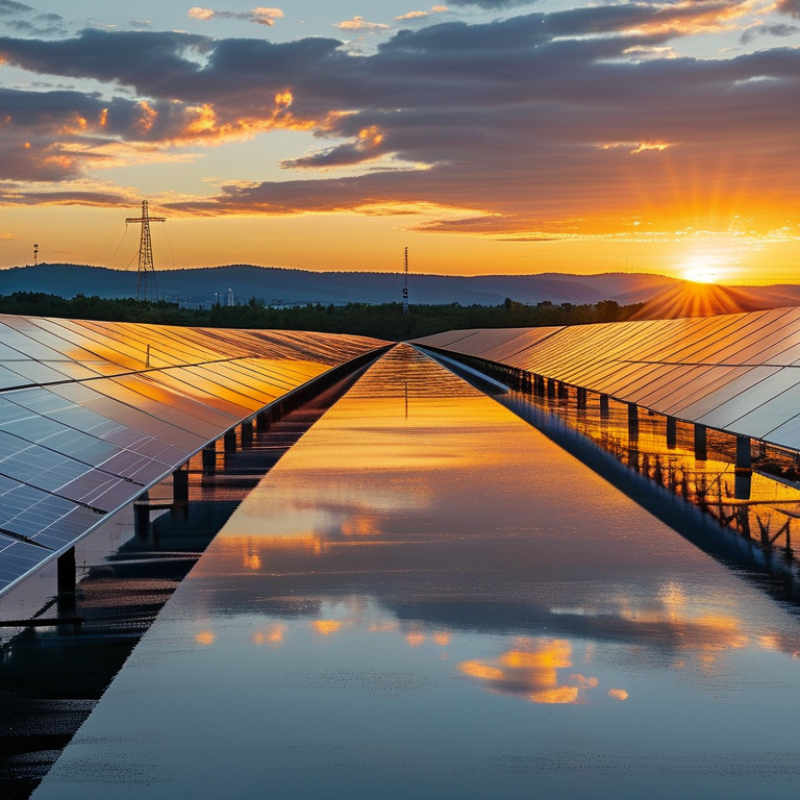
Solar Cable Defined: The DC Link Between PV Modules and InvertersWhy Choose Solar Cable for Your Solar Power System?
Solar cableis the DC link between photovoltaic modules and inverters. It carries electricity through rooftops, fields, and equipment rooms. Unlike ordinary Building Wire, it is designed for constant sunlight, temperature changes, moisture, and mechanical stress.IEC 62930 and EN 50618 define important requirements for insulation, voltage rating, flame performance, and durability. These standards matter because a cable failure can interrupt an entire string, not just one panel.
The scale of solar deployment makes this connection increasingly important. IRENA’s Renewable Capacity Statistics 2024 reported about 1,419 GW of global installed solar capacity by the end of 2023. Every system depends on reliable DC conductors. Proper solar cable usually includes UV-resistant insulation, flexible stranded copper, and suitable double-jacket protection. Correct cross-sectional sizing also limits voltage drop and unnecessary heating. Small details matter.
A practical installation check should examine routing, connectors, bend radius, and cable support. Avoid placing cables directly on sharp metal edges or in standing water. I have seen tidy arrays with poorly supported cable loops. They looked acceptable, but movement and heat could cause long-term damage.
Solar cable is not automatically safe because it is labeled “solar.” Verify certifications, current ratings, environmental resistance, and compatibility with the complete PV system. The decision deserves more attention than its simple appearance suggests.
Why PV Wiring Differs: 1,500 V DC Ratings Under IEC 62930 and EN 50618
Why Choose Solar Cable for Your Solar Power System?Solar arrays operate outdoors for decades, not inside protected electrical rooms. That exposure changes what a safe conductor must withstand. PV wiring faces ultraviolet radiation, rain, heat, freezing, and repeated thermal movement. Ordinary building wire may carry current, yet fail prematurely above a roof. Solar cable uses insulation and jackets designed for these conditions. Small details matter. Look at a rooftop in midsummer: the cable can touch hot modules while carrying continuous direct current. Routing, clipping, and bend radius also influence service life.IEC 62930 and EN 50618 address this harsher photovoltaic environment. Both are associated with cables rated up to 1,500 V DC. That voltage is not a marketing number. It affects insulation design, testing, clearances, and installation decisions. Direct current can sustain an arc after separation, so damaged connections deserve immediate attention. EN 50618 commonly covers flexible, halogen-free PV cable construction, including resistance to sunlight, ozone, and heat. IEC 62930 provides an international framework for cable performance in photovoltaic systems. Neither standard replaces local electrical codes or engineering calculations. Check the cable marking, conductor size, voltage rating, and approved installation method.In field inspections, many cable problems begin with simple shortcuts. A connector is forced at an angle, or a cable lies against a sharp metal edge. Water then enters a damaged jacket. Later, insulation resistance may fall without obvious visual warning. Choosing compliant PV cable helps, but it cannot correct poor workmanship. I would question one easy assumption: thicker cable is not automatically safer. Voltage drop, current, temperature, grouping, and route length must be calculated together. Records of torque, testing, and cable routing make future inspections more reliable. Good wiring is quiet. That is exactly why it deserves careful specification.
Why Choose Solar Cable for Your Solar Power System? – Why PV Wiring Differs: 1,500 V DC Ratings Under IEC 62930 and EN 50618
| Evaluation Dimension | Solar PV Cable Requirement | Why It Matters in a PV System | Typical Reference |
|---|---|---|---|
| Rated voltage | Up to 1,500 V DC for cables designed and marked for this system voltage | Supports modern utility-scale and high-voltage PV arrays while maintaining appropriate electrical insulation. | IEC 62930; EN 50618 |
| Conductor material | Flexible stranded copper, commonly tinned copper, with conductor classes specified by the applicable cable standard | Flexibility simplifies routing and termination; tinning can improve resistance to corrosion at properly prepared connections. | IEC 60228 conductor classes; cable manufacturer datasheet |
| Insulation and sheath | Halogen-free, cross-linked insulation and sheath materials are commonly used for compliant PV cables | Provides electrical separation and improved resistance to heat, moisture, sunlight and mechanical stress. | IEC 62930; EN 50618; product construction specification |
| Conductor operating temperature | Typically 90°C maximum continuous conductor temperature for compliant PV cable designs | Allows the cable to operate under solar-heated conditions when ampacity is correctly calculated. | IEC 62930; EN 50618 |
| Short-circuit temperature | Typically up to 250°C for a limited short-circuit duration, subject to the cable standard and design | Provides a defined thermal withstand level during fault conditions when protective devices operate correctly. | IEC 62930; EN 50618 |
| UV and weather resistance | Designed for prolonged exposure to ultraviolet radiation, outdoor weather and moisture | Reduces premature jacket cracking and insulation deterioration in outdoor cable routes. | EN 50618 environmental and durability tests; installation requirements |
| Ozone resistance | Required performance is addressed by the relevant PV cable test regime | Helps protect cable materials in outdoor environments where ozone can contribute to polymer ageing. | EN 50618 testing requirements |
| Flexibility and minimum bend radius | Fine-stranded construction with a manufacturer-specified minimum installation bend radius | Helps prevent excessive mechanical stress behind modules, at connectors and inside combiner equipment. | Cable datasheet; IEC 62930 or EN 50618 construction requirements |
| Flame performance | Must meet the applicable flame-propagation test requirements for the selected cable type and installation market | Limits flame spread along cable runs and supports overall fire-safety design. | IEC 60332 series; applicable national installation rules |
| Smoke and halogen behavior | Halogen-free, low-smoke materials are commonly specified for PV cables, subject to the exact product designation | Can reduce corrosive or dense smoke emissions during a fire compared with some halogenated materials. | Cable datasheet; applicable IEC and national fire classifications |
| Water and moisture resistance | Specified for wet and outdoor environments when the cable is correctly selected and installed | Helps maintain insulation performance in rain, condensation, buried sections and wet cable-management areas. | EN 50618; installation method and product datasheet |
| DC system suitability | Designed specifically for continuous direct-current PV circuits | DC arcs can be more difficult to extinguish than AC arcs; suitable cable insulation, connectors and protective devices are essential. | IEC 62930; EN 50618; applicable PV installation code |
| Common identification | PV cable designations may include H1Z2Z2-K under the European harmonized system | Clear marking helps installers verify voltage rating, cable type, size and certification before use. | EN 50618 marking conventions; manufacturer marking |
| Sizing and voltage drop | Selected by conductor cross-sectional area, installation method, ambient temperature, grouping, current-carrying capacity and permissible voltage drop | Correct sizing reduces energy losses and prevents excessive thermal loading; the 1,500 V rating does not determine ampacity by itself. | IEC 60364-7-712; local electrical code; engineering calculation |
Technical note: Actual current capacity, permissible ambient temperature, bend radius, installation method and service life depend on the selected cable construction and local code. Always verify the complete product marking, test documentation and installation instructions before commissioning a PV system.Field Durability: UV, Ozone, and −40°C to +90°C Operating PerformanceWhy Choose Solar Cable for Your Solar Power System?
Solar cable is built for demanding outdoor conditions, not just routine electrical connection. Its insulation must resist ultraviolet radiation, ozone, moisture, and repeated temperature changes. On a rooftop, sunlight can heat the cable surface quickly. At night, temperatures may fall sharply. A properly specified cable can operate from −40°C to +90°C, helping maintain flexibility and insulation strength across seasons. Field inspections often show that exposed, poorly supported cables age faster than expected.
Ozone resistance matters too. Ozone can slowly weaken ordinary plastics, especially near electrical equipment and open-air installations. Solar cable uses durable insulation designed to reduce cracking and surface deterioration. Still, no cable is invulnerable. Incorrect bending, tight cable ties, or contact with sharp metal can create early damage. That detail is easy to miss. It deserves attention during installation and maintenance.
Tips:Check the cable’s temperature and UV ratings before purchasing. Keep it away from sharp edges and standing water. Avoid forcing bends in freezing weather. Leave suitable slack near connectors, but do not let loops rest on hot surfaces. During inspections, look for fading, brittleness, exposed conductors, and loose supports. If damage appears, qualified electrical personnel should assess the system before continued operation.
Electrical Efficiency: How Low-Resistance Conductors Reduce PV Losses
Why Choose Solar Cable for Your Solar Power System?Electrical Efficiency: How Low-Resistance Conductors Reduce PV LossesSolar cables carry direct current from panels to an inverter, often across hot roofs and exposed cable routes. Their conductor resistance directly affects how much generated energy reaches the inverter. Higher resistance creates voltage drop and converts useful power into heat. Small losses add up.In practical rooftop installations, cable length matters more than many people expect. A long run from a distant panel array may show acceptable voltage at the panel, yet deliver less power at the inverter. Low-resistance copper conductors help limit this drop. Correct cross-sectional sizing is essential, too. A thicker cable usually reduces resistance, but oversized cables may add unnecessary cost and installation weight.Heat matters. Resistance increases as conductor temperature rises, especially inside poorly ventilated conduits. Solar cable insulation must also withstand ultraviolet exposure, moisture, and repeated temperature changes. I have seen neatly installed systems underperform because cable sizing was treated as an afterthought. That mistake is easy to make.A reliable design checks the full circuit length, operating current, ambient temperature, and allowable voltage drop. Connectors should match the cable and remain firmly sealed. Loose connections can create localized heating, even when the conductor itself is suitable. Measurements during commissioning can reveal problems that visual inspection misses. Perfect calculations are useful, but real roofs are rarely perfect. Dust, heat, and awkward routing still deserve attention.
Safety by Design: Double Insulation and UL 4703 Compliance Requirements
Why Choose Solar Cable for Your Solar Power System?Solar cable is designed for harsh outdoor conditions, not ordinary household wiring. Its insulation must handle sunlight, moisture, temperature changes, and repeated thermal movement. These stresses can continue for decades.Double insulation adds a valuable layer of protection. The inner insulation surrounds the conductor, while the outer layer resists abrasion, water, and ultraviolet exposure. If the outer surface is scratched during installation, the inner layer can still provide separation. That margin matters near metal frames and rooftop junctions.UL 4703 compliance provides a recognized benchmark for photovoltaic wire. The correct cable should carry clear markings for its rating, size, temperature limits, and intended use. Compliance should never be judged by appearance alone. A thicker jacket is not automatically safer. Check the actual listing and installation instructions.Use properly sized cable to reduce voltage drop and heat. Keep connectors clean, fully engaged, and protected from standing water. Poor routing can damage even excellent insulation. Field checks often reveal tight bends, unsupported cable, or sharp contact points. These details are easy to overlook.Do not assume every “solar cable” meets the same requirements. Verify the current UL 4703 listing and local electrical rules before installation. A careful review may feel slow, but replacing damaged rooftop wiring is far more difficult. Safety depends on the entire system, not insulation alone.
Long-Term Value: Solar Cables Built for 25-Year PV System Lifetimes
When a photovoltaic system is designed for a 25-year service life, its cable cannot be treated as ordinary wiring. Solar cable remains exposed to ultraviolet light, rain, heat, cold, and daily temperature changes. That matters. A suitable cable uses insulation made for outdoor PV conditions and resists moisture, abrasion, and ozone. Its copper conductor also limits resistive losses when correctly sized for the array. In practical installations, cable runs may cross a roof edge, pass through clips, or sit near warm modules. These small details can accelerate wear when ignored. A durable cable helps reduce avoidable replacements, labor, and downtime over many seasons.Long-term value depends on more than a printed lifespan. Cable selection should match voltage, current, temperature, routing method, and local installation requirements. Products tested to standards such as IEC 62930 or EN 50618 provide useful evidence, but certification cannot repair poor workmanship. Connectors must be fully mated, bend limits respected, and cables kept away from sharp surfaces. Periodic inspections can reveal cracked jackets, loose connections, or unusual discoloration before faults grow. I have seen project plans focus heavily on panels while giving cable routing only a few lines. That imbalance deserves reconsideration. A 25-year PV system is a chain of parts, and the quiet cable beneath the panels carries its energy every day.
Conclusion
Solar Cable is a purpose-built connection between photovoltaic modules and inverters, designed to handle the demanding conditions of solar power systems. Unlike ordinary electrical wiring, it supports high-voltage direct-current applications, including systems rated up to 1,500 V DC under IEC 62930 and EN 50618 standards. Its insulation and jacket are engineered to withstand ultraviolet exposure, ozone, moisture, temperature changes, and operating conditions from approximately −40°C to +90°C, helping maintain dependable performance in outdoor environments.Low-resistance conductors improve electrical efficiency by reducing voltage drop and energy losses across the system. Double insulation adds protection against mechanical damage, moisture, and electrical faults, while compliance with requirements such as UL 4703 supports safe and reliable installation. Because photovoltaic systems are commonly designed to operate for around 25 years, selecting durable Solar Cable can help reduce maintenance needs, support stable power transmission, and preserve long-term system value.
About Us
Established in 2013, Foshan Vazpo New Energy Co., Ltd. is a global manufacturing enterprise dedicated to the R&D, production, and sales of photovoltaic (PV) cables. With 13 years of deep expertise in the PV sector—characterized by high standards, large-scale operations, and a global strategic footprint—the company has emerged as a trusted core cable supplier for PV power plants worldwide.
Media Contact
Company Name: Foshan Vazpo New Energy Co., Ltd.
Contact Person: Media Relations
Email: Send Email
Country: China
Website: https://www.vazpocable.com/


