
Hands-On: Why the Rigo Verdi model Is Quietly Becoming a Favorite Among Working Clarinetists
Milano, Italy – August 17, 2026 – Walk into any professional orchestra or conservatory, and you’ll likely see the same handful of clarinet brands represented. But in recent years, a growing number of players have been adding a new name to their instrument rotation: Rigo, and specifically their Verdi professional model.
We recently spent several weeks with the Verdi model, putting it through its paces across a range of repertoire and performance contexts. Here’s what we found.
First Impressions and Build Quality
Right out of the case, the Verdi presents well. It comes in a premium BAM case—the same brand trusted by many top professional players for instrument protection—and the clarinet itself has a refined, substantial feel without being heavy.
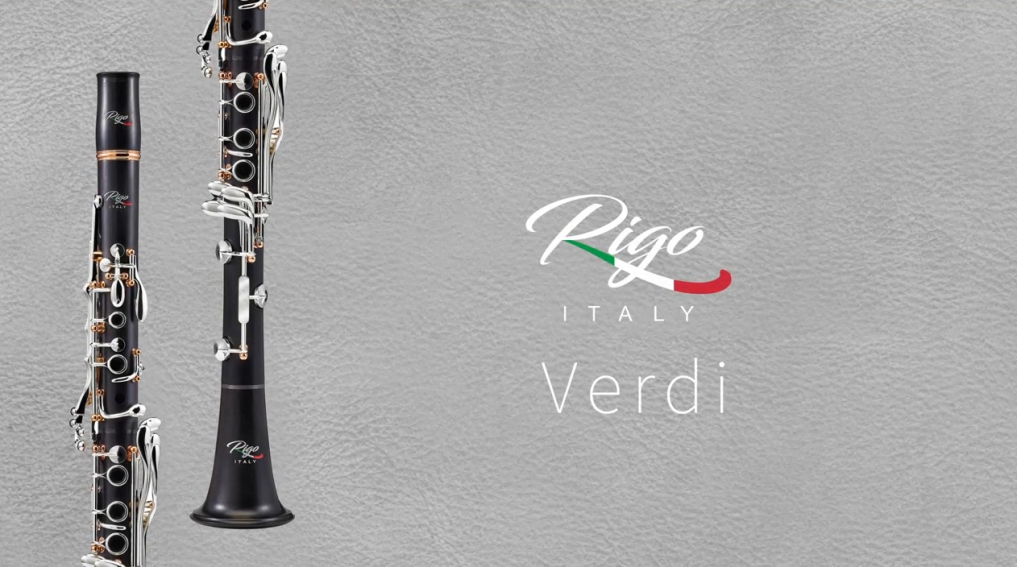
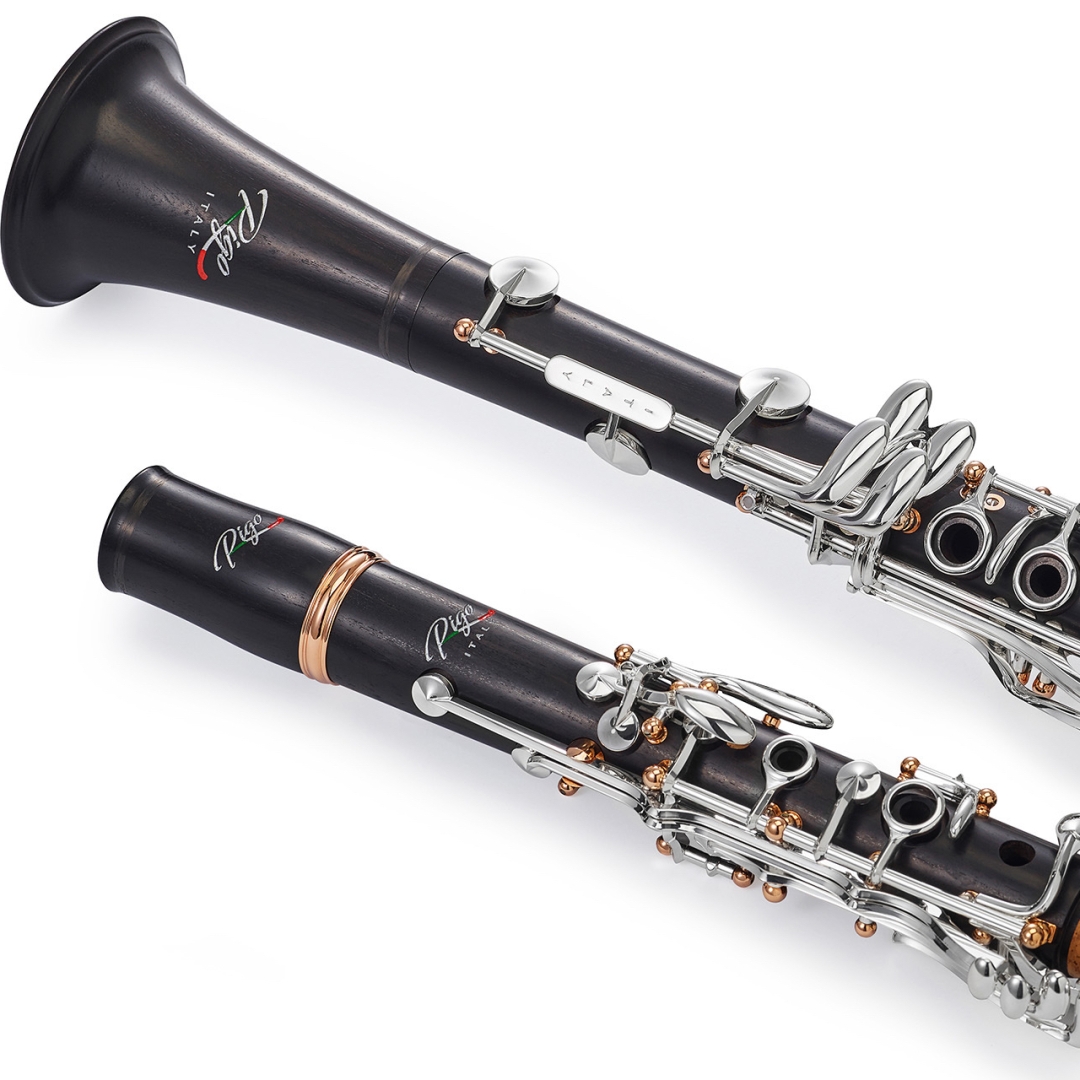
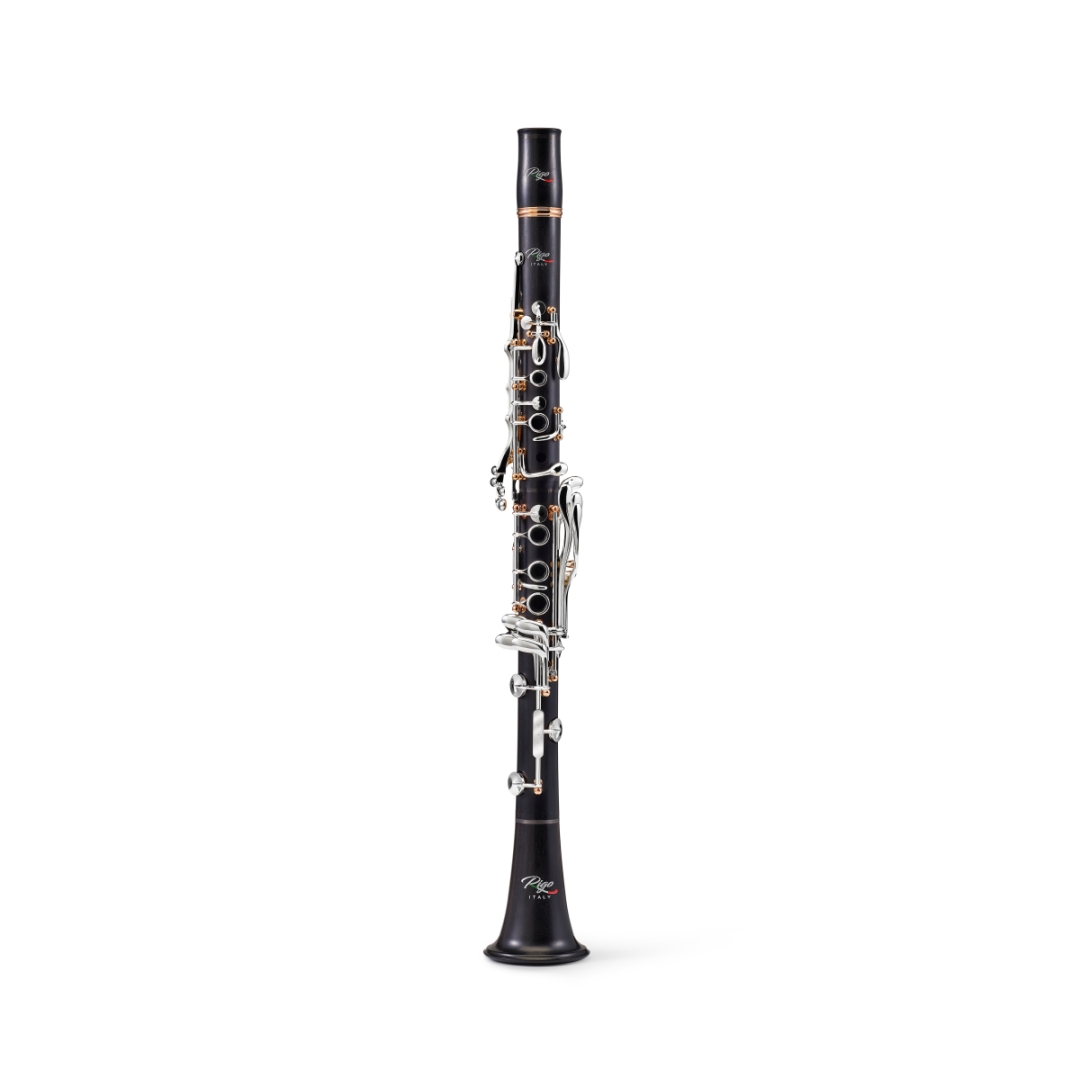
The grenadilla wood body is beautifully finished, with a consistent grain pattern and smooth surfaces. But the real quality reveals itself in the details: the rose gold-plated key posts add a distinctive touch of elegance, and the overall key work feels precise and solid. There’s no play in the mechanism, no loose parts, no corners cut. It’s immediately clear that this is a professionally built instrument through and through.
One feature that deserves special mention is the carbon fiber-reinforced tenon system. Anyone who has ever dealt with a cracked tenon knows how devastating—and expensive—that problem can be. By reinforcing these high-stress joints with carbon fiber, Rigo has addressed one of the most common structural failure points in wooden clarinets. It’s a smart, practical engineering choice that shows the brand is thinking about the real-world needs of working musicians.
The weight balance is also worth noting. The Verdi feels lighter in the hands than many comparable professional models, which may sound like a minor detail until you’ve played a three-hour opera evening or a full day of orchestra rehearsals. Less weight means less fatigue, and less fatigue means better playing.
Tone and Acoustics
The first thing players notice about the Verdi is the quality of the sound. It has a centered, compact core with a surprising amount of color and flexibility. This isn’t a bright, edgy clarinet sound, nor is it overly dark and diffuse—it occupies a middle ground that is warm, vocal, and immediately appealing.
The chalumeau register is rich and resonant, with excellent projection even at soft dynamics. The clarion register opens up beautifully, with a singing quality that really shines in lyrical passages. And the altissimo register—which can be a problem area on many instruments—is remarkably well-behaved on the Verdi, speaking clearly and in tune without requiring excessive pressure or embouchure manipulation.
What’s particularly impressive is how the tone holds up across dynamic ranges. Play the Verdi at full fortissimo and it stays focused and controlled, never spreading or becoming harsh. Bring it down to a delicate pianissimo and the sound maintains its core and presence, without losing color or support.
The register transitions are smooth and seamless. Wide leaps that can feel awkward on other instruments feel natural here, which is a significant advantage in solo repertoire and orchestral excerpts alike.
Response and Playability
If the Verdi’s tone is its artistic calling card, its responsiveness is its practical superpower. This instrument speaks immediately. Articulation is clean, precise, and effortless—fast technical passages feel almost as though they’re playing themselves.
The blowing resistance is well-balanced: not too open, not too resistant, sitting in a sweet spot that most players will find comfortable within minutes of picking up the instrument. This makes the Verdi accessible to players with a range of embouchure types and playing styles.
Intonation is strong across the board. The throat tones are particularly stable—a register that can be notoriously tricky on many instruments—and the overall intonation curve is well-balanced enough that most players won’t need extensive alternate fingerings or embouchure gymnastics to stay in tune. The pitch remains stable through dynamic changes as well, which is critical for ensemble playing.
How It Stacks Up
In the professional clarinet market, the Verdi competes with well-established models from several major European manufacturers. Where it differentiates itself is in the combination of features: the carbon fiber-reinforced tenons, the lightweight design, the rose gold key posts, and the distinctive vocal tone quality.
Players who want a traditional French-school sound will probably lean toward the established classics. But for those seeking something with a bit more personality—a warmer, more lyrical character combined with modern practical features—the Verdi offers a genuinely compelling alternative.
Who Should Consider It
The Verdi is a strong option for:
- Advanced conservatory students ready to step up to a genuine professional instrument
- Free-lance players who need one horn that can handle everything from orchestra work to chamber music to solo recitals
- Orchestra musicians looking for a distinctive second instrument or a reliable backup
- Teachers who want to offer their advanced students a professional option outside the usual two or three brands

The Bottom Line
The Rigo Verdi doesn’t have the name recognition of some of its better-known competitors—yet. But for players who are willing to look beyond the familiar brands and actually put instruments through their paces, the Verdi delivers genuine professional quality with distinctive character and smart engineering choices.
In a market where professional clarinets can feel increasingly interchangeable, the Verdi stands out as an instrument with personality—and one that deserves a spot on any serious player’s trial list.

About Rigo
Rigo is an Italian clarinet brand dedicated to crafting high-quality instruments, accessories, and woodwind care products for clarinet players worldwide. Rooted in woodwind craftsmanship tradition, the brand blends time-honored techniques with contemporary innovation to deliver exceptional performance tools. Rigo’s mission is to empower clarinetists of all levels to achieve their best sound through thoughtfully designed, reliable products that elevate every playing experience.
Media Contact
Company Name: RIGO GLOBAL INSTRUMENTS S.R.L.
Contact Person: Giuseppe Rigo
Email: Send Email
State: Milano
Country: Italy
Website: www.rigoclarinets.com


