
Top OEM Wholesale Thermal Foam Tape Solutions for Business Needs
In today’s competitive manufacturing world, picking the right materials isn’t just a detail — it’s a big deal. For example, Thermal Foam Tape is pretty much a go-to for a lot of industries because of its awesome insulation and sticking power. But here’s the thing — businesses need solutions they can count on, ones that fit their specific needs. The right thermal foam tape can seriously boost how tough your products are and help save energy too.The market’s packed with tons of options when it comes to Thermal Foam Tape — they come in all sorts of thicknesses, densities, and adhesive strengths. Honestly, figuring out which one is perfect for your project can get a bit overwhelming. If you’ve been around the block, you probably have a good sense of what works best, but for most, it’s a bit of trial and error. You also gotta think about stuff like how well the tape handles temperature changes and environmental conditions. Sometimes, even experts can overlook these details (we’ve all been there!). That’s why chatting with reputable suppliers can really help clear things up. Reliable brands like 3M or Scapa have been around the block and offer proven solutions you can trust. Taking the time to do your homework on thermal foam tapes can save you a bunch of money and actually make your products perform better over time.
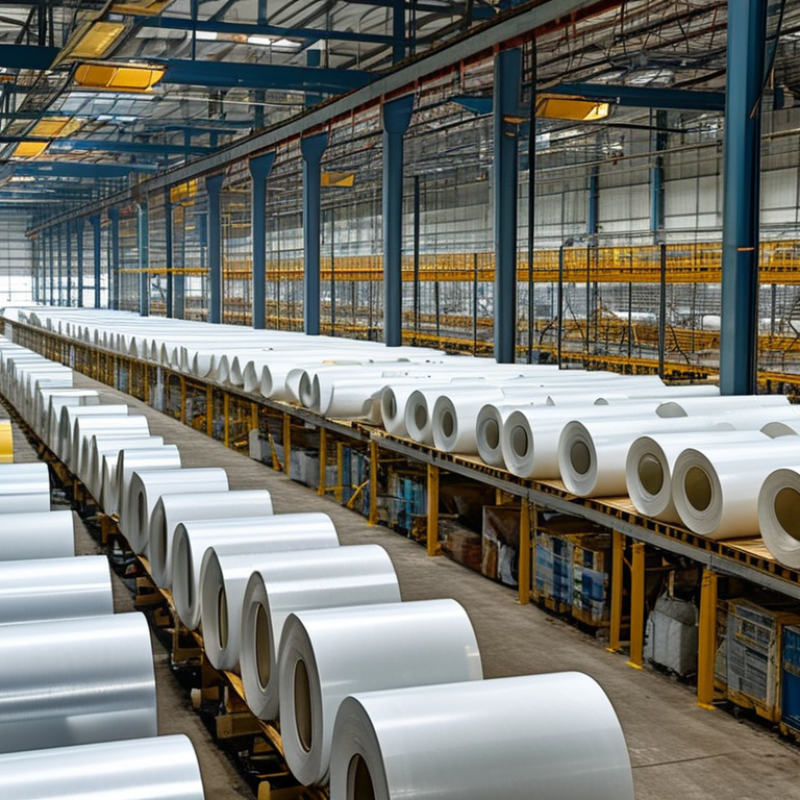
Overview of Thermal Foam Tape and Its Applications
Thermal foam tape is a versatile material widely used in various industries. Its primary purpose is to provide insulation, cushioning, and sealing. According to a recent market report, the global thermal tape market is projected to reach $1.5 billion by 2027, with an annual growth rate of 6.2%. This indicates a robust demand across multiple sectors, including construction, automotive, and electronics.Applications of thermal foam tape are diverse. In the automotive industry, it helps reduce noise and vibration while providing thermal insulation. In electronics, it serves to enhance energy efficiency and protect sensitive components. Notably, 45% of manufacturers prefer thermal foam tape due to its ability to bond different materials effectively. However, challenges remain. Many companies report issues with adhesive failure under extreme temperatures. This begs the question: how can businesses ensure optimal performance in varying environments?Environmental sustainability is also a growing concern. Some thermal foam tapes are made from non-recyclable materials, raising questions about their long-term impact. As industries move toward greener solutions, the demand for eco-friendly options is on the rise. A recent survey indicated that 68% of companies are willing to invest more in sustainable materials. Adapting to these trends will be crucial for manufacturers in 2024 and beyond.
Key Benefits of Using Thermal Foam Tape in Various Industries
Thermal foam tape is gaining prominence across various industries. This adhesive solution offers excellent insulation properties, making it ideal for energy-efficient applications. According to industry reports, using thermal foam tape can reduce heat loss by up to 50%. This not only enhances product energy efficiency but also contributes to cost savings over time.In the automotive sector, thermal foam tape is a critical component. It helps in noise reduction and thermal insulation in vehicles. The demand for this tape is projected to grow by 5% annually, driven by the automotive industry’s focus on sustainable materials. Building and construction industries also benefit from thermal foam tape. It provides thermal break solutions that improve overall energy performance.Tips: When selecting thermal foam tape, consider thickness and adhesive strength. These factors impact its thermal resistance and bonding performance. Testing different types is essential. Not all tapes perform equally well in varying environments. Pay attention to temperature ranges for optimal results.Thermal Break Foam Tape is not a one-size-fits-all solution. Challenges can arise with severe weather conditions or improper application. Customers should conduct thorough research and trials to ensure compatibility with their specific needs.
Criteria for Selecting the Right OEM Wholesale Supplier
When selecting an OEM wholesale supplier for Thermal Insulation Foam Tape, several criteria are critical. Quality is paramount. A supplier should offer products that meet industry standards and certifications. Research indicates that high-quality thermal foam tapes improve energy efficiency by up to 30%. This can have a significant impact on operating costs.Consider the supplier’s experience in the industry. A proven track record often translates to reliability. Manufacturers with extensive experience tend to understand customer needs better. They may also be more adept at adapting to market changes. Furthermore, communication is key. A responsive supplier can provide timely assistance, which is crucial in fast-paced business environments.Ethical practices and sustainability are also worth examining. Reports suggest that companies with sustainable supply chains enjoy enhanced reputation and loyalty. Choosing a transparent supplier who values environmental responsibility can reflect positively on your brand. However, it’s essential to verify these claims through documentation. Not all suppliers provide clear information about their practices, which may lead to confusion. Evaluating these aspects can help ensure you make an informed decision in your sourcing strategy.
Comparative Analysis of Different Thermal Foam Tape Types
When assessing the various types of OEM Thermal Foam Tape, it’s crucial to consider their specific applications. Different foam densities affect temperature resistance and insulation properties. For instance, high-density foam tapes work well in automotive and electronics industries, helping to manage heat. Their thick profiles can also improve sound dampening.Conversely, lower-density tapes are more adaptable and can conform better to uneven surfaces. This flexibility makes them suitable for HVAC systems or sealing applications. Some options might seem less robust, but they can offer sufficient insulation for lighter tasks. It’s important to evaluate these performance characteristics relative to your business needs.One key aspect often overlooked is adhesion quality. While some tapes promise strong bonds, a poor application can lead to failures over time. Test samples before committing to bulk orders. Remember, the right OEM thermal foam tape depends on the environment and specific requirements of your projects. Always seek expert advice to make the best choice.
Cost-Effectiveness of Wholesale Thermal Foam Tape Solutions
When considering wholesale thermal foam tape solutions, cost-effectiveness is a crucial factor. According to industry reports, companies can save up to 30% by purchasing thermal foam tape in bulk. This reduction in costs can significantly impact a business’s bottom line, especially for manufacturers that rely heavily on insulation materials. Thermal foam tape provides durability and insulation, making it a preferred choice for numerous applications, such as electronics, automotive, and HVAC systems.However, businesses often overlook the importance of sourcing. Not all thermal foam tapes are created equal. Some products may offer a lower upfront cost but compromise on performance and longevity. A recent study revealed that high-quality thermal foam tapes can last three times longer than cheaper alternatives. This longevity translates to less frequent replacements and lower overall expenditure over time.While the savings from bulk purchases are appealing, companies must weigh quality against cost. Choosing a product solely based on price can lead to increased maintenance issues. It’s essential to find a balance that aligns with business needs. Investing in higher-quality thermal foam tape may require a more substantial initial outlay. But, the long-term benefits are often worth the consideration.
Top OEM Wholesale Thermal Foam Tape Solutions for Your Business Needs
| Product Type | Thickness (mm) | Width (mm) | Length (m) | Adhesive Strength (N/cm) | Temperature Resistance (°C) | Estimated Cost per Roll ($) |
|---|---|---|---|---|---|---|
| Standard Thermal Foam | 1.0 | 25 | 50 | 2.5 | 80 | 5.00 |
| High-Density Foam | 2.0 | 50 | 20 | 4.0 | 90 | 10.00 |
| Single-Sided Tape | 0.8 | 30 | 100 | 3.0 | 70 | 4.50 |
| Double-Sided Tape | 1.5 | 40 | 25 | 5.0 | 85 | 8.00 |
| Insulating Tape | 3.0 | 20 | 30 | 6.0 | 95 | 12.00 |
Best Practices for Utilizing Thermal Foam Tape in Manufacturing
Thermal foam tape is essential in manufacturing. It offers excellent insulation and noise reduction. Many industries rely on this product for their operations. Utilizing the right thermal foam tape can improve product quality and operational efficiency.When choosing thermal foam tape, consider factors such as thickness and adhesive strength. Reports indicate that proper application can reduce thermal loss by up to 30%. This statistic highlights the importance of optimizing your tape selection for specific tasks. Engineers often overlook the adhesion method, which can impact performance. Ensuring a clean surface before application significantly enhances bond strength.Tips: Use a consistent pressure when applying the tape. This ensures maximum contact and adhesion. Experiment with different tape types to find the best fit for your project. Keep in mind that not all tapes are created equal; material differences can lead to varied performance outcomes. Always document your testing process for future reference. This helps to refine your approach and avoid repeating mistakes.
Future Trends in Thermal Foam Tape Technology and Market Demand
The future of thermal foam tape technology is evolving rapidly. As industries demand more efficient and reliable materials, innovations are reshaping market dynamics. Manufacturers are focusing on enhancing adhesive properties, thermal resistance, and overall durability. New production methods are also emerging, allowing for tailored solutions that meet specific needs. These advancements present opportunities for businesses seeking ODM Thermal Foam Tape.
Market demand is shifting towards eco-friendly options. Sustainable materials are becoming more popular as companies strive to reduce their carbon footprint. This creates a need for manufacturers to innovate while maintaining performance standards. There is also a growing interest in customized tape solutions for unique applications. Firms must adapt quickly to these trends or risk falling behind in a competitive landscape.
Challenges persist in achieving the right balance between cost and quality. Some products may not perform as expected, highlighting the importance of thorough testing. Companies need to invest in research and development to ensure reliability. Understanding these changing trends is crucial for businesses in the thermal foam tape market.
Analysis of Non-Conductive Adhesive Aluminum Tape for EMI Shielding: Market Trends and Industry Insights from Recent Reports
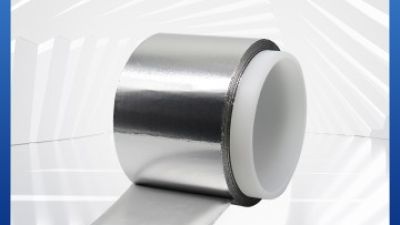
Non-Conductive Adhesive Aluminum Tape for EMI Shielding
The analysis of non-conductive adhesive aluminum tape for EMI shielding highlights its growing significance in various industries. Recent reports indicate a rising demand for materials that not only provide electromagnetic interference protection but also possess enhanced physical properties. This specialized adhesive tape offers remarkable thermal and light reflection capabilities, making it ideal for applications requiring temperature control and energy efficiency. By reflecting heat and light, it aids in creating a more stable environment and contributes to energy savings in both consumer and industrial settings.In addition to its reflective properties, the tape is designed with a premium acrylic adhesive that ensures strong bonding strength. This superior adhesion is crucial for maintaining the integrity of protective layers against environmental stressors. The low moisture vapor transmission rate further enhances the tape’s durability, enabling it to withstand diverse environmental conditions without compromising performance. As industries seek reliable solutions for safeguarding aluminum surfaces from damage and external factors, this non-conductive adhesive aluminum tape emerges as a versatile option that meets both functional and operational requirements.
Conclusion
Thermal Foam Tape is a versatile adhesive material widely used across various industries for insulation and sealing applications. This tape offers numerous benefits, including thermal insulation, sound dampening, and moisture resistance, making it an ideal choice for manufacturers looking to enhance product durability and performance. When selecting an OEM wholesale supplier, businesses should consider factors such as product quality, range of options, and cost-effectiveness to meet their specific needs.A comparative analysis of different types of Thermal Foam Tape can help identify the most suitable solution for each application. Additionally, adhering to best practices in utilizing this tape can optimize manufacturing processes. As technology advances, future trends in Thermal Foam Tape will likely focus on sustainability and improved performance, aligning with the growing market demand for high-quality adhesive solutions.
Media Contact
Company Name: Dongguan new Youwei adhesive products Co., Ltd.
Email: Send Email
Country: China
Website: https://www.uwtapes.com/


