
The Hidden Cost of Service Gaps in Restaurants
HALIFAX, NOVA SCOTIA – June 23, 2026 – Most restaurant operators can identify staffing challenges, food costs, and labor efficiency as important drivers of business performance. Yet one of the most common factors influencing guest experience often receives far less attention: service gaps.
A service gap occurs when a guest goes longer than expected without receiving attention from restaurant staff. These gaps can develop during busy periods when employees are balancing multiple responsibilities and managers are attempting to oversee dozens of tables simultaneously.
According to Table Touch, a restaurant service visibility platform built by operators, service gaps are often not the result of poor staff performance. Instead, they are frequently the result of limited visibility into what is happening across the dining room in real time.
“Most service gaps are unintentional,” said Ciaran Doherty, Founder of Table Touch. “Restaurants are fast-moving environments, and even strong teams can lose visibility during a busy shift. A table may go longer than anyone realizes without being checked on, not because staff don’t care, but because nobody had visibility that attention was needed.”
Unlike kitchens, where production timing is tracked and displayed throughout service, many dining rooms continue to rely heavily on observation, memory, and periodic floor walks to identify tables that may require attention.
As restaurants increasingly adopt technology to improve operational visibility, some operators are beginning to examine front-of-house performance through a similar lens.
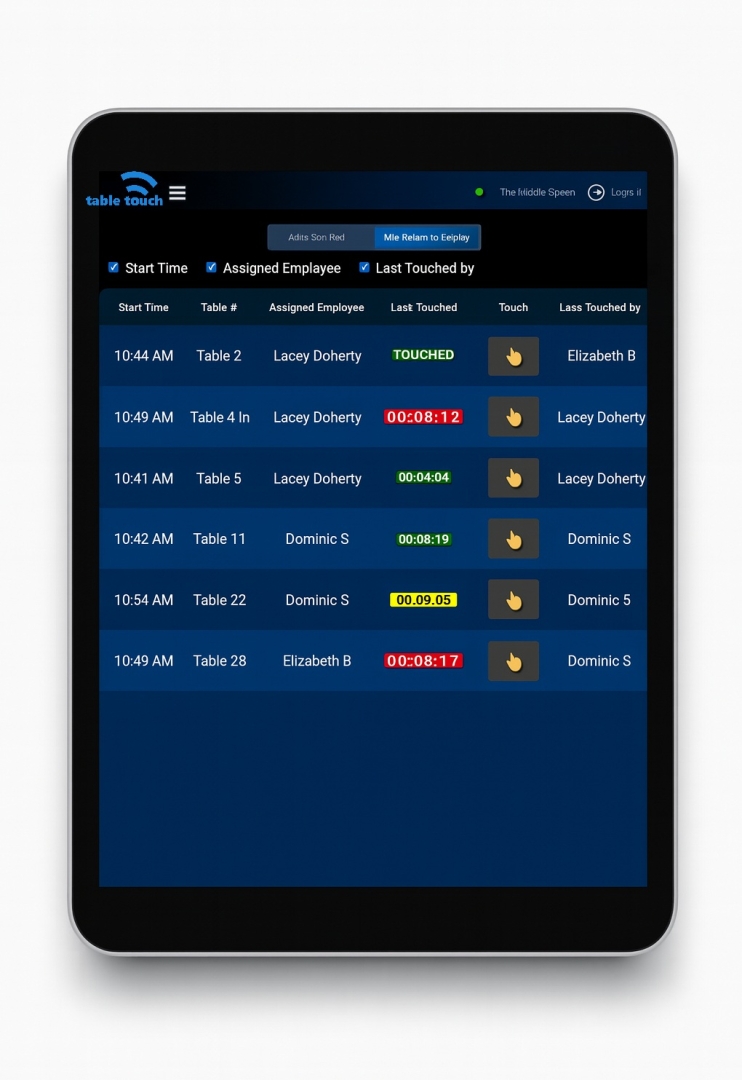
Table Touch was originally developed inside a full-service restaurant after ownership sought a way to better understand service consistency throughout the dining room. The restaurant service visibility platform automatically tracks table visits and provides real-time awareness of when guests were last attended to, helping teams identify potential service gaps before they affect the guest experience.
In addition to real-time visibility, the platform provides reporting tools that allow operators to review service consistency, table visit frequency, support touches, first-touch times, and other front-of-house performance indicators.
The concept reflects a broader trend within the restaurant industry toward greater operational visibility and measurable guest experience metrics.
In the restaurant where Table Touch was originally developed, management observed average guest spending increase from $18.26 to more than $26 after implementing the system and refining service consistency using the operational insights it provided.
While many factors contribute to guest satisfaction, operators are increasingly recognizing that consistency often matters as much as speed. Guests may not notice every interaction they receive, but they often remember when they feel forgotten.
As competition for guest loyalty continues to increase, visibility into dining room performance may become an increasingly important part of restaurant operations.
About Table Touch
Table Touch is a restaurant service visibility platform built by restaurant operators. The platform helps restaurants improve guest experience and service consistency through real-time front-of-house visibility, automated table visit tracking, operational reporting, and service gap awareness. By providing real-time insight into dining room activity, Table Touch helps restaurant teams better understand and improve front-of-house operations.
For more information, visit www.tabletouch.net.
Media Contact
Company Name: Table Touch
Contact Person: Ciaran Doherty
Email: Send Email
Country: Canada
Website: tabletouch.net


