
ZTE Company Supports ICT Talent Development Through 2026 Engineering Capacity Building Program
ZTE Company played a key role in the successful completion of the 2026 Engineering Capacity Building Program (Information & Communication Engineering) in Shenzhen. The program brought together more than 60 ICT engineers from over 20 countries and regions to explore digital and intelligent engineering practices while strengthening professional capabilities for future industry development.
Held under the theme “Wisdom Leading Communication Frontiers, Empowering Engineering Practice,” the program was hosted by the Chinese Society of Engineers, organized by the China Institute of Communications, and co-organized by the Guangdong Institute of Communications and ZTE. The initiative created an international platform for knowledge exchange, practical learning, and collaboration among engineering professionals from different parts of the world.
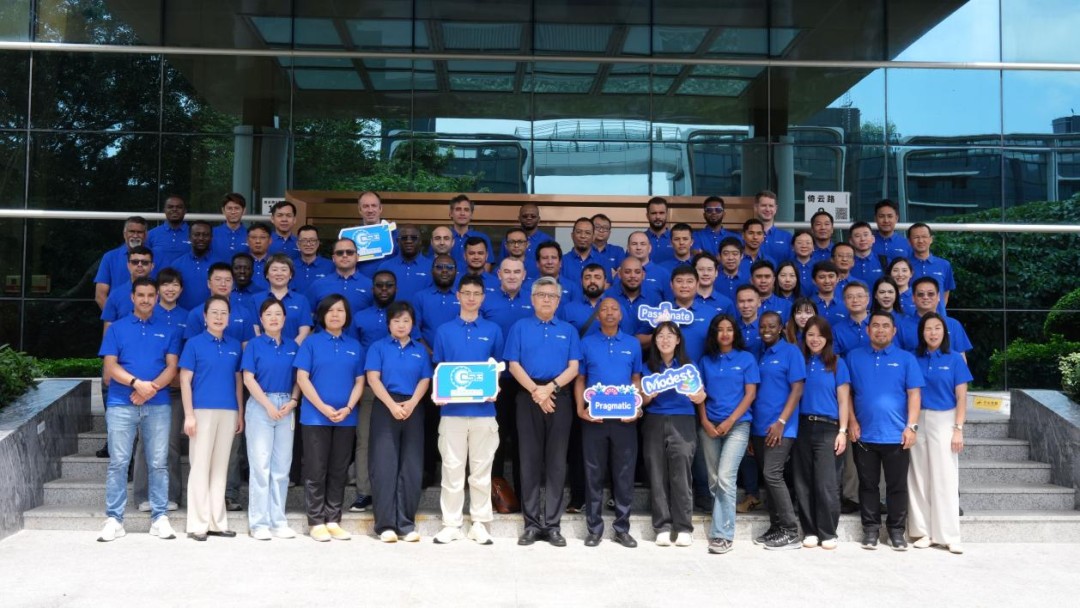
International Engineers Gather for Professional Exchange
The program welcomed participants from countries including Indonesia, Uzbekistan, South Africa, the Czech Republic, Colombia, Peru, China, and many others. Through technical reports, professional discussions, workshops, and site visits, attendees explored current trends in information and communication technologies and examined how digital and intelligent solutions are shaping engineering practices.
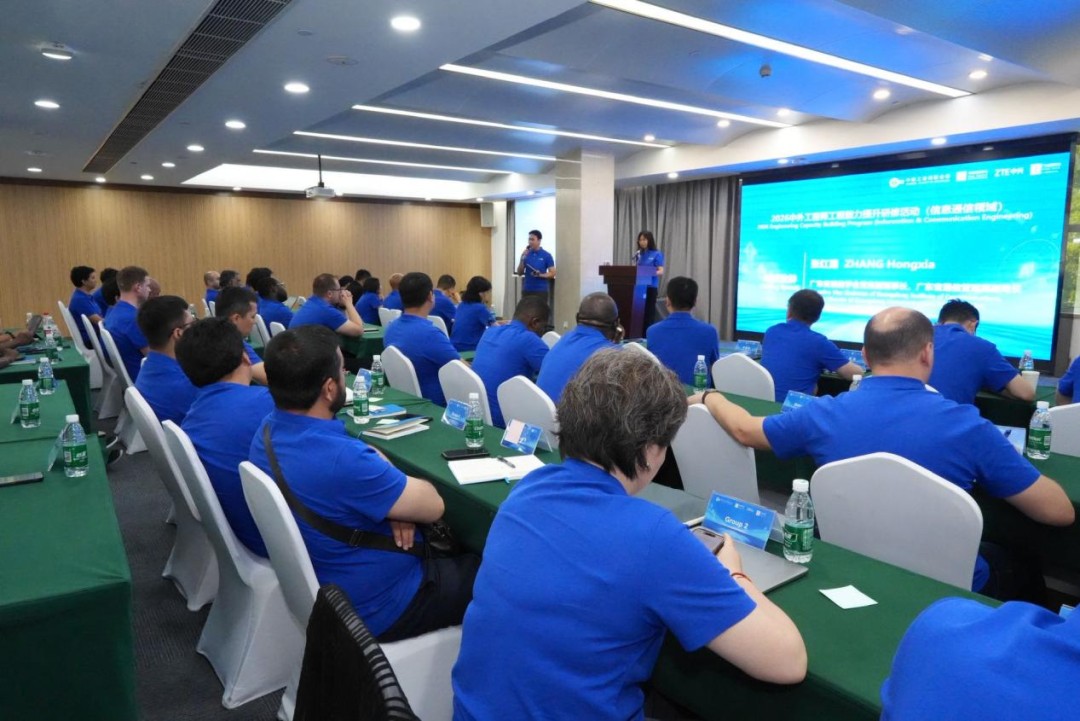
Experts from the Secretariat of the Chinese Society of Engineers, the China Institute of Communications, the Institution of Engineering and Technology (IET), and ZTE shared insights on engineering capacity building, ICT innovation, and developments in global project management.
The reporting sessions encouraged active interaction among participants. Engineers exchanged experiences from real-world projects and discussed the impact of emerging technologies on project delivery and operational efficiency.
One participant from Indonesia highlighted how digital and intelligent technologies have transformed network integration projects. He noted that digital project management and optimized resource scheduling have significantly improved both efficiency and quality during project execution.
Discussions Focus on Sustainable Engineering Development
The program also featured discussions on the relationship between digital transformation and green development. Prof. Gong Ke, Chairman of the Engineering Capacity Building for Africa Programme of the World Federation of Engineering Organizations in Africa, emphasized the importance of engineering in supporting sustainable development.
His remarks encouraged participants to consider not only technological innovation but also the broader responsibilities of engineers in shaping future development. The exchange of perspectives provided valuable theoretical support for the practical sessions that followed.
Attendees engaged in conversations about how engineering professionals can contribute to long-term industry progress through innovation, collaboration, and continuous learning. These discussions helped create a shared understanding of the role engineers play in addressing future challenges.
Site Visits Showcase Digital and Intelligent Engineering Practices
A major highlight of the program was a series of site visits that allowed participants to experience digital and intelligent engineering applications firsthand.
During a visit to ZTE’s headquarters, engineers explored the company’s museum, exhibition halls, and smart production lines. The visit provided a close look at technological developments ranging from 5G to 6G and demonstrated how intelligent manufacturing and lean production can work together in modern industrial environments.
Participants observed examples of Integrated Sensing and Communication (ISAC), 5G-A innovations, and technologies designed to support future intelligent economic infrastructure.
An engineer from Algeria expressed optimism about future industry development after seeing the progress in advanced communication technologies. The participant noted that the experience provided valuable insight into future technological possibilities.
The delegation also visited SenseTime, where engineers learned about Artificial Intelligence Data Centers (AIDCs) and explored AI applications across multiple sectors. Demonstrations included practical use cases in urban management, environmental monitoring, and smart healthcare.
According to an engineer from Ethiopia, the visit changed his perception of how advanced technologies can be integrated into real-world scenarios. He emphasized that the practical applications showcased during the program demonstrated technology’s ability to support high-quality social development.
Hands-On Workshops Strengthen Technical Skills
Practical learning formed a central part of the program. Engineers participated in interactive workshops designed to provide direct experience with emerging technologies and business applications.
One workshop introduced participants to Co-Claw, ZTE’s enterprise-level AI agent. Engineers worked together to develop different models based on real business scenarios. The collaborative environment allowed attendees to apply technical knowledge while learning from peers with diverse professional backgrounds.
The program also included a visit to Shenzhen Polytechnic University, where participants studied application technologies related to new energy vehicles and drones. Engineers gained practical experience by operating and debugging industrial-grade drones developed with independent intellectual property rights.
These activities provided opportunities for participants to connect theoretical knowledge with practical engineering challenges. The hands-on approach helped deepen understanding and encouraged innovation-focused thinking.
Commitment to Global Engineering Growth
At the closing ceremony, Hu Lihua, Vice President of ZTE, reaffirmed the company’s commitment to supporting engineering talent development. He stated that ZTE will continue opening its technology platforms to help engineers strengthen their capabilities and foster collaborative growth across the engineering community.
The program concluded with participants sharing reflections on their experiences. Many noted that the initiative expanded their understanding of emerging technologies and inspired new ideas for professional development.
Representatives highlighted the value of international cooperation and knowledge sharing. A participant from Peru said that the innovation-focused experience gained during the program would be brought back home to encourage future collaboration opportunities.
Attendees also agreed that open cooperation and mutual recognition of professional capabilities remain important factors in advancing engineering technology and expanding digital inclusion worldwide.
Conclusion
As a co-organizer, ZTE plans to continue working with partners across the industry to support engineering talent development. Drawing on its expertise in information and communication engineering, the company remains focused on helping cultivate professionals with global perspectives, strong digital skills, and innovative capabilities.
The 2026 Engineering Capacity Building Program demonstrated how international collaboration, practical learning, and technology exchange can contribute to the development of engineering professionals. Through initiatives such as this, ZTE Company continues to support knowledge sharing and professional growth while helping engineers prepare for the opportunities and challenges of an increasingly digital future.
Media Contact
Company Name: ZTE
Contact Person: Leo
Email: Send Email
City: Shenzhen
Country: China
Website: https://www.zte.com.cn/global/index.html


