
Discover the Best Minigrid Solutions for any User’s Business Needs
In today’s fast-evolving energy scene, it’s more important than ever for businesses to find reliable and efficient power solutions. Minigrid systems are really starting to look like a good option—especially for those looking for sustainable energy sources. They offer the chance to generate power locally, tailored to what a specific business needs, while also helping companies become more energy independent. Big names like Schneider Electric and Siemens are at the forefront, pushing forward some pretty innovative Minigrid systems.That said, figuring out which Minigrid is the right fit isn’t always straightforward. Every business has its own unique requirements—things like how much energy they need, how reliable the system has to be, and what fits into their budget. It’s really helpful to chat with experts who know the ins and outs of these systems—they can guide you through all the options. And don’t forget, you need to consider local rules and infrastructure too. Sometimes, setting up a Minigrid involves some trial and error; it’s not always a perfect process on the first go.While Minigrid systems hold a ton of promise, they’re not a one-size-fits-all solution. You really need to think about your specific situation and what challenges you’re facing. Once you get a good grasp of these factors, you’ll be in a stronger position to make smart decisions that match your goals. In the end, finding the right Minigrid setup can seriously boost your business’s sustainability and make your energy supply more resilient—stuff that really makes a difference.

Understanding the Basics of Minigrid Systems for Businesses
Minigrid systems offer businesses a reliable and sustainable energy solution. Understanding their fundamentals is crucial for effective implementation. These small-scale grids operate independently or alongside the main electrical grid. They can utilize renewable energy sources like solar, wind, or biomass. A report by the World Bank suggests that minigrids could connect over 500 million people worldwide by 2030.For businesses, minigrids can reduce reliance on traditional energy sources. They provide flexibility in energy sourcing and help combat rising energy costs. Data from the International Renewable Energy Agency (IRENA) shows that businesses using minigrids can save up to 25% on their energy bills compared to conventional grid users. Adopt a proactive approach to identify energy needs specific to your operations.Tip: Perform a detailed energy audit to understand consumption patterns.Minigrid systems are not without challenges. Initial investment can be significant, and integration with existing infrastructure may be complex. Maintenance skills may also need to be developed internally. According to a McKinsey report, companies must weigh the benefits against these potential hurdles. Embrace pilot projects to test feasibility before large-scale deployment.Tip: Start with small-scale pilots and iterate based on results.
Key Benefits of Implementing Minigrid Solutions in Enterprises
Implementing minigrid solutions can significantly enhance business efficiency. These systems allow enterprises to manage energy resources more effectively. With tailored energy solutions, businesses can save costs and reduce their carbon footprint. This is particularly relevant for companies operating in remote areas, where access to traditional power grids may be unreliable.Minigrids offer increased energy security. They operate independently, allowing businesses to reduce their dependency on centralized power systems. In times of outages, enterprises remain operational. Moreover, minigrids can be designed to harness renewable energy sources, which are crucial for sustainable development. Companies adopting these systems often find a competitive edge in their market.However, transition challenges exist. Initial investment costs may be high. Additionally, integrating new technologies with existing infrastructure requires careful planning. Despite this, the long-term benefits often outweigh the drawbacks. Businesses must approach this transformation with a clear strategy, prioritizing reliability and sustainability in their energy management.
Comparative Analysis of Minigrid Technologies and Their Efficiency
Minigrid technologies have emerged as viable solutions for various business needs. They provide localized energy sources, particularly in remote areas. However, not all minigrids are created equal. Their efficiency varies based on several factors, including technology type and energy storage capacity.Solar-based minigrids are quite popular. They harness sunlight to generate electricity. However, solar energy is intermittent. This means businesses must think about energy storage and backup systems. Wind turbines can complement solar systems, but their efficiency also depends on geographical factors.Biomass and hybrid systems are alternatives to consider. They leverage organic materials and can produce stable energy. However, the initial setup costs can be high. Many companies face challenges in scalability. They must analyze their energy needs and site specifics before choosing a solution. Ultimately, the right minigrid technology requires careful consideration. Each option has its strengths and weaknesses, and understanding them is crucial for success.
Regulatory Considerations for Minigrid Deployment Across Regions
Regulatory considerations are crucial for minigrid deployment. Different regions have varying requirements. Understanding local regulations helps ensure compliance and smooth operations. Governments often impose permits, licenses, and approvals. This can be daunting but is necessary for sustainable grid solutions.When entering a new market, research is key. Know the legal frameworks to avoid costly mistakes. Engage local stakeholders early to understand their concerns. This fosters trust and encourages collaboration. Consider the environmental impact and community needs in your plans.Tip: Consult with legal experts to navigate complex regulations. They can guide you through the compliance maze. Make sure your project aligns with local sustainability goals. Reflect on the adaptability of your solution as regulations may change over time. Stay flexible to alter your approach as required.
Cost Implications: Initial Investment versus Long-term Savings with Minigrids
Investing in minigrids requires careful consideration of initial costs versus long-term benefits. The upfront investment can be significant, often ranging from $100,000 to several million dollars, depending on the size and technology used. However, the sweet spot lies in understanding the broader economic impacts. A report by the International Renewable Energy Agency (IRENA) reveals that businesses can save over 50% on energy costs in the long run. This comes from reduced reliance on traditional grid power and volatile fossil fuel prices.Minigrids can enhance energy security, especially for businesses in remote areas. Through localized renewable energy sources, companies can maintain consistent operations. According to a study by McKinsey, companies employing minigrids can reduce outages by up to 70%. However, it’s crucial to acknowledge potential challenges in technology integration and maintenance. These issues may impact overall reliability and require ongoing investment. Many companies find that experienced local partners are vital for navigating these complexities.Ultimately, the long-term savings often overshadow initial expenses. Businesses that invest in minigrids not only gain cost advantages over time but also contribute to sustainability goals. Hence, while the initial investment may be daunting, the long-term benefits make a compelling case for this energy solution. Balancing these factors requires strategic planning and expert guidance.
Discover the Best Minigrid Solutions for Your Business Needs
This chart illustrates the cost implications of using minigrid solutions for businesses. The initial investment is compared to long-term savings over different time frames, showcasing the financial benefits of adopting minigrids.
Case Studies: Successful Minigrid Implementations in Various Industries
Minigrids are gaining traction as effective energy solutions across numerous industries. By examining successful implementations, businesses can understand how to best adapt these systems. In agriculture, one case involved a community using a minigrid to power irrigation systems. With reliable energy, they increased crop yields significantly. Their progress serves as an inspiring example for others facing similar energy challenges.
In rural healthcare, another case study showcased a clinic powered by a solar minigrid. Reliable electricity enabled improved healthcare services such as refrigeration for vaccines. While these implementations are impressive, they emphasize the need for continuous evaluation. Not every project meets expectations; some face technical issues or financial hurdles.
Tips for implementing minigrid solutions include engaging with the community early in the planning process. Understanding local needs improves project relevance. Also, consider collaborating with experienced energy providers. This enhances the reliability of the system and fosters trust among users. A tailored approach ensures that your minigrid can genuinely make a difference in your business environment.
Future Trends in Minigrid Solutions and Their Impact on Business Sustainability
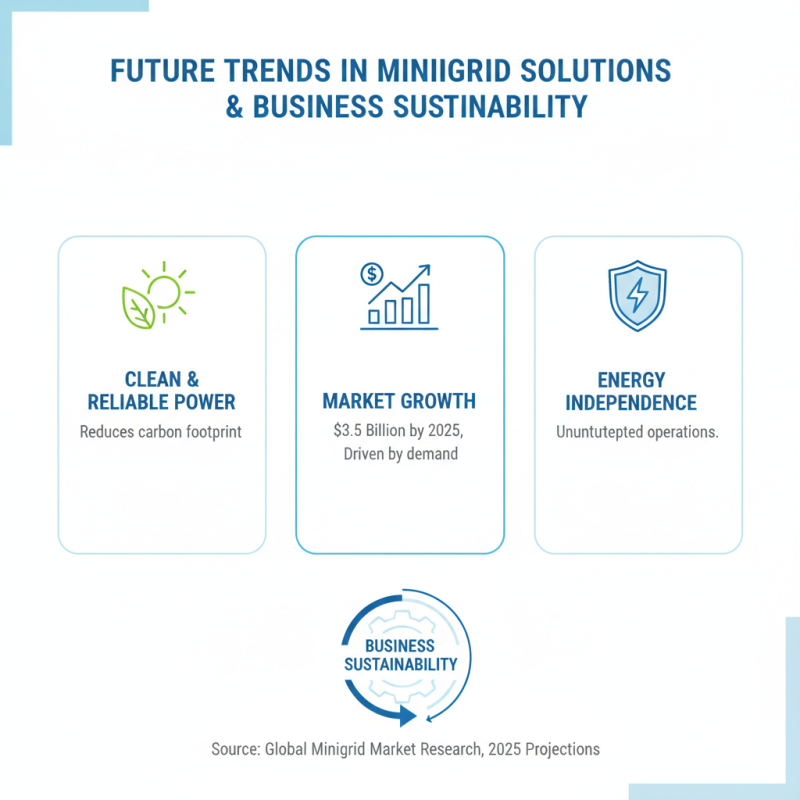
The rise of minigrid solutions has captured attention due to their potential impact on business sustainability. As energy demands grow, businesses face pressure to adopt clean and reliable power sources. Research indicates that the global minigrid market could reach $3.5 billion by 2025, driven by the need for energy independence and sustainability.Innovative minigrid designs can optimize resource use and cut operational costs. A study showed that companies using minigrids could see a reduction in energy costs by up to 50%. This not only enhances profitability but also aligns with the growing consumer preference for sustainable practices. However, many businesses still grapple with integrating these technologies effectively. The transition requires careful planning and experience in energy management.Looking ahead, the shift toward decentralized energy systems will continue. Businesses must adapt to the dynamic regulatory landscape as policies evolve. While minigrids present a promising solution, potential challenges, such as upfront investment and technological integration, must be addressed. Balancing these factors will be crucial for maximizing the benefits of minigrid solutions.
Conclusion
Minigrid systems are emerging as a viable solution for businesses looking to enhance their energy self-sufficiency and sustainability. By understanding the fundamentals of minigrid technologies, enterprises can leverage their key benefits, such as improved energy reliability and reduced operational costs. A comparative analysis highlights the efficiency of various minigrid technologies, enabling businesses to choose the most suitable option for their specific needs.Additionally, organizations must consider regulatory requirements that vary across regions when deploying minigrid systems. Evaluating the initial investment against potential long-term savings is crucial for financial planning. The article also presents case studies showcasing successful minigrid implementations across different industries, illustrating their potential to drive business sustainability. As future trends develop, minigrids are set to play an increasingly significant role in supporting enterprises in achieving their sustainability goals.
Media Contact
Company Name: Masspoint Energy Technology Co., Ltd.
Email: Send Email
Country: China
Website: https://www.masspointenergy.com/


