
Generator Requirements for Hospitals – Industry Trends and Best Practices
When it comes to hospital operations, maintaining a continuous and reliable power supply is not just a convenience—it is a necessity. As a facility manager, electrical engineer, or procurement officer, understanding generator requirements for hospitals is essential for safeguarding patients, staff, and critical medical equipment.
Hospitals depend on electricity for life-support systems, MRI scanners, CT equipment, operating theaters, laboratories, HVAC systems, data centers, and emergency communication networks. Any power interruption can compromise patient safety and disrupt critical healthcare services.
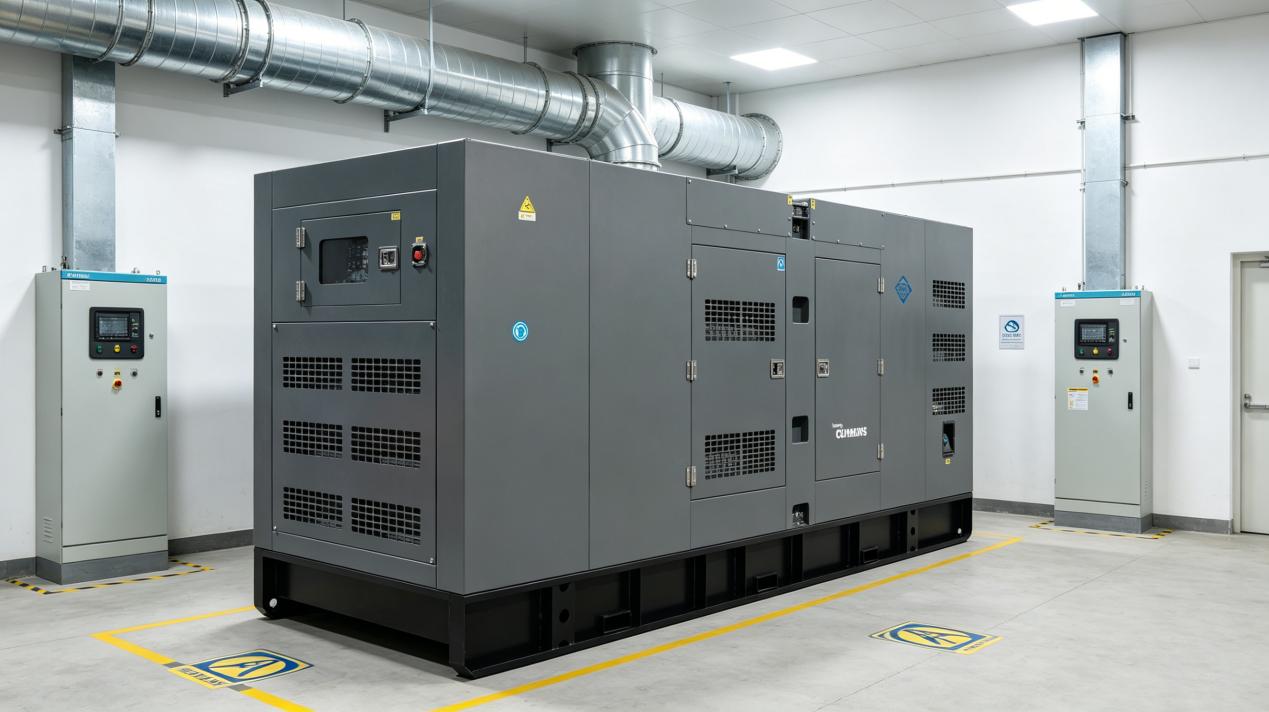
As someone responsible for selecting a backup power system, you need a generator solution that supports continuous operation, remote monitoring, stable voltage output, and reliable emergency response. This is where a properly designed hospital standby generator becomes essential.
Why Hospitals Need Specialized Backup Generators
Unlike commercial buildings, hospitals cannot simply shut down operations during a utility power outage. Critical healthcare services must continue regardless of grid conditions.
Your backup power system must support:
Intensive Care Units (ICU)
Operating Rooms
Emergency Departments
Diagnostic Imaging Equipment
Medical Laboratories
Blood Storage Facilities
Data Centers
Communication Systems
Fire Protection Systems
A generator designed for industrial use may not automatically meet hospital requirements. Healthcare facilities require higher levels of reliability, voltage stability, and operational redundancy.
Understanding Critical and Essential Loads
One of the most important steps in hospital generator planning is identifying critical loads.
Typically, hospital electrical loads can be divided into three categories:
Life Safety Loads
These include:
Emergency lighting
Fire alarm systems
Communication systems
Exit signs
These systems must remain operational immediately after utility power failure.
Critical Branch Loads
These include:
Ventilators
Patient monitoring equipment
Surgical equipment
ICU systems
Any interruption can directly impact patient care.
Equipment Branch Loads
These include:
Medical imaging equipment
Sterilization equipment
HVAC systems
Water pumps
These loads may require controlled sequencing during generator startup.
Proper load analysis ensures your generator is sized correctly without unnecessary oversizing.
Generator Capacity Planning for Hospitals
Many hospital operators focus only on current power demand. However, you should also consider future expansion.
Factors affecting generator sizing include:
Current Electrical Load
Calculate:
Peak demand
Average demand
Critical demand
Motor Starting Requirements
Large motors can require:
3 to 7 times rated current during startup
Examples include:
Chillers
Air compressors
Water pumps
Elevators
Future Expansion
Hospitals continuously add:
New diagnostic equipment
Additional patient wards
Expanded laboratory facilities
Your generator should accommodate future growth.
Continuous Operation Requirements
Hospital generators often operate for extended periods during:
Natural disasters
Grid failures
Infrastructure maintenance
For this reason, your generator should support:
24-Hour Continuous Operation
A hospital generator should:
Maintain stable coolant temperature
Deliver consistent power output
Operate efficiently under varying loads
JSSTPOWER generator sets are designed for continuous-duty applications with optimized cooling and fuel systems.
24-Hour Fuel Tank Design
Fuel autonomy is critical.
A properly sized integrated fuel tank allows:
Reduced refueling frequency
Improved emergency preparedness
Greater operational security
For hospital applications, a 24-hour fuel tank is often considered a practical minimum.
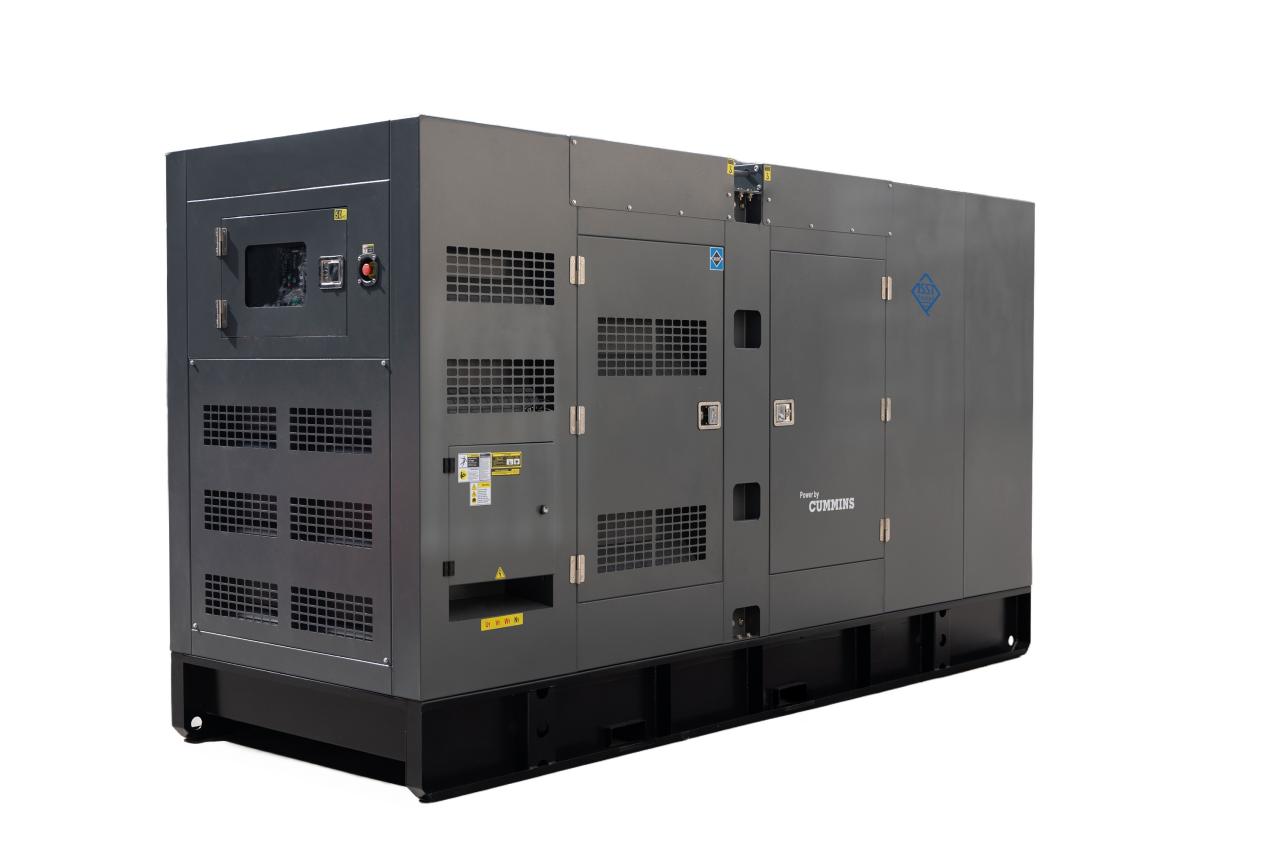
Why Cummins Engines Are Suitable for Hospitals
The engine is the heart of your generator system.
For hospital applications, reliability is more important than maximum power output.
Advantages of Cummins Engines
You benefit from:
Proven reliability
Global service network
Fast spare parts availability
Strong load acceptance capability
Efficient fuel consumption
Cummins engines are widely used in healthcare facilities worldwide because they perform consistently under demanding operating conditions.
The Importance of Stamford Alternators
The alternator directly affects power quality.
Medical equipment is sensitive to:
Voltage fluctuations
Frequency variations
Harmonic distortion
A Stamford alternator provides:
Stable voltage output
Low waveform distortion
Excellent load response
Long service life
This helps protect sensitive medical devices from electrical instability.
Why Hospitals Should Use PMG Excitation Systems
One of the most overlooked generator specifications is excitation technology.
For hospitals, a Separately Excited PMG System is highly recommended.
What Is PMG?
PMG stands for:
Permanent Magnet Generator
It provides independent excitation power for the Automatic Voltage Regulator (AVR).
Benefits for Hospitals
When equipment such as:
MRI scanners
CT scanners
X-ray systems
Large HVAC motors
starts suddenly, the PMG system enables:
Faster voltage recovery
Improved short-circuit capability
Better transient performance
Stable output during load changes
This improves protection for sensitive medical equipment.
Automatic Transfer Switch Requirements
During a utility failure, power transfer must occur automatically.
Manual switching is not practical in healthcare environments.
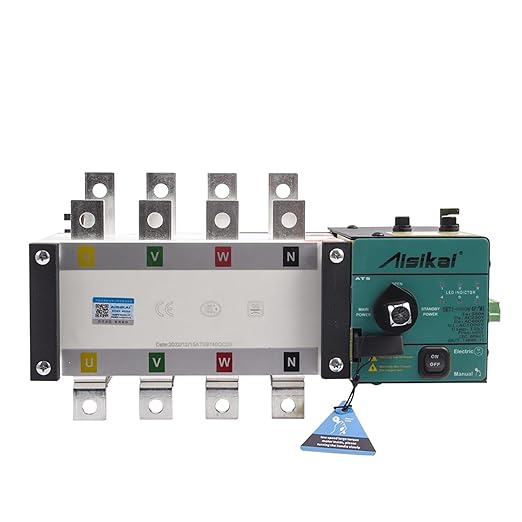
Aisikai ATS Integration
An integrated Aisikai ATS provides:
Automatic utility monitoring
Generator start command
Automatic load transfer
Automatic retransfer to utility power
This minimizes disruption and ensures continuous operation.
Remote Monitoring and Smart Control
Modern hospitals require visibility into generator performance at all times.
DeepSea Controller
The DeepSea controller allows monitoring of:
Engine status
Voltage
Frequency
Fuel level
Alarm conditions
Runtime hours

DeepSea 4G Remote Control
Through remote communication, you can:
Monitor generators from any location
Receive alarm notifications
View operational reports
Schedule maintenance
This improves response time and reduces operational risk.
Voltage Stability for Medical Equipment
Sensitive medical devices require stable power quality.
Examples include:
MRI systems
CT scanners
Ultrasound equipment
Laboratory analyzers
Voltage instability can result in:
Equipment shutdown
Data corruption
Reduced equipment lifespan
The combination of:
Cummins Engine
Stamford Alternator
PMG Excitation
DeepSea Control System
provides excellent power quality for healthcare applications.
Redundancy and Reliability
Many hospitals adopt an N+1 design philosophy.
This means:
One additional generator remains available as backup
For example:
If your hospital requires 1000kVA, you may install:
2 × 1000kVA generators
or
3 × 500kVA generators operating in parallel
This approach increases reliability and maintenance flexibility.
Noise Control Considerations
Hospitals require a quiet environment.
Generator noise can affect:
Patient recovery
Staff concentration
Nearby residential areas
Sound-attenuated enclosures help reduce noise while maintaining proper ventilation and cooling.
Maintenance Requirements
A hospital generator is only reliable if it is maintained correctly.
Your maintenance program should include:
Weekly Checks
Fuel level inspection
Battery inspection
Alarm verification
Monthly Checks
No-load testing
ATS testing
Fluid inspection
Annual Maintenance
Oil replacement
Filter replacement
Coolant replacement
Load bank testing
Preventive maintenance significantly reduces the risk of unexpected failures.
Recommended Hospital Generator Configuration
For healthcare facilities, a practical configuration includes:
|
Component |
Specification |
|---|---|
|
Engine |
Cummins |
|
Alternator |
Stamford |
|
Excitation System |
Separately Excited by PMG |
|
Controller |
DeepSea |
|
Remote Monitoring |
DeepSea 4G |
|
ATS |
Aisikai Built-in ATS |
|
Fuel Tank |
24-Hour Fuel Tank |
|
Power Range |
10kVA – 3750kVA |
This configuration delivers the reliability, monitoring capability, and voltage stability required in modern hospitals.
Why Healthcare Facilities Choose JSSTPOWER
As a manufacturer specializing in 10kVA to 3750kVA diesel generator sets, JSSTPOWER focuses on practical solutions for mission-critical applications.(WWW.JSSTPOWER.COM)
For hospital backup power systems, JSSTPOWER generator sets combine:
Cummins engines
Stamford alternators with PMG
DeepSea controllers
DeepSea 4G remote monitoring
Aisikai ATS integration
24-hour fuel tank
The result is a backup power solution capable of supporting continuous healthcare operations while protecting sensitive medical equipment.
Conclusion
Selecting the right hospital generator is not simply about choosing a power rating. You must evaluate reliability, power quality, voltage stability, remote monitoring capability, fuel autonomy, and long-term serviceability.
A properly designed hospital backup power system should support continuous operation, maintain stable voltage for sensitive medical equipment, and provide automatic response during utility outages.
By combining a Cummins engine, Stamford alternator, PMG excitation system, DeepSea controller, DeepSea 4G remote monitoring, Aisikai ATS, and a 24-hour fuel tank, a JSSTPOWER generator set provides the performance and reliability required for modern healthcare facilities.
When patient safety depends on uninterrupted electricity, investing in a properly engineered hospital generator system becomes one of the most important infrastructure decisions you can make.
Media Contact
Company Name: Xiamen Jiashun Sutong Electrical Equipment Co., Ltd.
Email: Send Email
Country: China
Website: https://www.jsstpower.com/


