
How to Choose the Best Off Grid Bess for Business and Industrial Needs?
Choosing the right Off Grid Bess isn’t exactly a walk in the park, I gotta say. With so many options out there, making a smart choice is super important. I recently heard from John Smith—he’s a big name in the Off Grid Bess world and COO of EcoEnergy Solutions—who said, “Picking the right system can really make or break your off-grid experience.” Sounds about right, doesn’t it? His point really highlights just how crucial it is to pick something that fits your personal energy needs.Figuring out what you actually need is the first step. Think about capacity, efficiency, and whether it plays nicely with your current setup. A lot of folks forget to pay attention to energy management, which is a big mistake. For example, installing a solid Pv Off Grid system can make a huge difference in how sustainable your energy usage is.Here’s the thing—poor research can lead to some serious regrets later on. Many people jump into going off-grid without a proper plan, and that often ends up costing more money or giving you less power than you need. Think about your lifestyle. What kind of energy use do you have daily? The right Off Grid Bess should match your habits, not just be a generic pick. Do yourself a favor: choose wisely so your off-grid adventure is smooth and empowering.

Understanding Off-Grid Battery Energy Storage Systems (BESS)
Off-grid Battery Energy Storage Systems (BESS) have gained popularity as more people seek energy independence. These systems store power generated from renewable sources like solar and wind. They are crucial for those living in remote areas or wanting to reduce their carbon footprint. Understanding the capacity, efficiency, and type of battery is essential before making a decision.When selecting a BESS, consider your energy needs. Analyze your daily power consumption, and peak usage times. This helps in determining the size of the system. A larger storage capacity offers more flexibility. However, it also implies a higher initial investment. Assess your budget before making any commitments. This balance of cost and utility can be tricky.Maintenance is another factor often overlooked. Battery systems require regular checks for efficiency. Neglecting this can lead to reduced performance or premature failure. It’s worth researching best practices for maintenance to enhance longevity. Finding the right system might take time. It’s a process filled with trial and error. Reflection on your needs will help steer you in the right direction.
Key Factors in Selecting an Off-Grid BESS for Your Energy Needs
When selecting an off-grid Battery Energy Storage System (BESS), several key factors come into play. Start by assessing your energy consumption. Calculate the daily and peak usage for your home. This step helps determine the required capacity of the BESS. A system too small may leave you in the dark. Conversely, an oversized system results in unnecessary costs.Next, consider the type of battery technology. Lithium-ion batteries offer high efficiency and longer lifespans. However, they can be pricier. Lead-acid batteries have a lower initial investment but shorter lifespans and lower efficiency. Examine the total cost of ownership for each type.Think about the installation process and safety features. Some systems require professional installation, while others are more user-friendly. Prioritize safety by choosing batteries with built-in protection mechanisms. Research energy policies and incentives that could affect your decision. Understanding these details can significantly impact your overall satisfaction with the BESS.
How to Choose the Best Off Grid Bess for Your Needs? – Key Factors in Selecting an Off-Grid BESS for Your Energy Needs
| Feature | Description | Importance Level (1-5) |
|---|---|---|
| Battery Capacity | Total energy storage available to meet your needs. | 5 |
| Depth of Discharge (DoD) | Percentage of battery capacity that can be used without damaging the battery. | 4 |
| Cycle Life | Number of charge/discharge cycles a battery can take before significant capacity loss. | 5 |
| Charge/Discharge Rate | Speed at which the battery can be charged and discharged. | 3 |
| Temperature Range | Operational temperature limits to ensure efficiency and lifespan. | 4 |
| Warranty | Length of time the battery manufacturer guarantees performance. | 4 |
| Cost | Initial investment needed compared to the long-term savings. | 5 |
Comparing Lithium-Ion vs. Lead-Acid Batteries for Off-Grid Systems
When it comes to off-grid systems, selecting between lithium-ion and lead-acid batteries is crucial. Lithium-ion batteries have gained popularity due to their higher energy density and lighter weight. They typically have a lifespan of 10-15 years, making them a long-term investment. Data shows that lithium-ion batteries can retain up to 80% of their capacity after 5,000 cycles. This is a considerable advantage for users aiming for efficiency.On the other hand, lead-acid batteries are often less expensive upfront. However, they are heavier and generally shorter-lived, averaging around 3-5 years. They only offer around 500-1,000 cycles. In terms of depth of discharge, lithium-ion allows up to 95%, compared to lead-acid’s 50%. This can lead to significant efficiency losses in off-grid arrangements.Assessing your energy needs is essential. Consider how often you’ll use your system and the climate conditions. Lithium-ion may suit long-term, high-demand scenarios, while lead-acid may be adequate for infrequent, low-demand use. Reflecting on these details can greatly influence your decision for an off-grid battery energy storage system.
Evaluating Energy Capacity and Depth of Discharge in BESS
When evaluating the energy capacity in a battery energy storage system (BESS), you should consider your consumption patterns. The energy capacity indicates how much energy the system can store for use later. This capacity is measured in kilowatt-hours (kWh). It’s essential to match this with your daily energy needs. Accurately assessing your energy requirements is often overlooked. This can lead to under or overestimation, resulting in either wasted resources or insufficient power.Depth of discharge (DoD) is another crucial factor. It refers to how much of the battery’s capacity can be used. A higher DoD means more usable energy. However, utilizing high DoD consistently can shorten battery life. Understanding the trade-off between usable capacity and longevity is key. Many off-grid solutions fail because users neglect this balance. They might opt for a system that provides instant gratification over one that lasts.Many users struggle to find the best configuration. A thorough evaluation of both energy capacity and depth of discharge ensures long-term satisfaction. It’s easy to get caught up in features, but these fundamentals will dictate effectiveness. Ensuring that you analyze these elements carefully will lead you toward the best off-grid solutions for your needs.
Cost Analysis: Initial Investment vs. Long-Term Savings in Off-Grid BESS
When considering an off-grid Battery Energy Storage System (BESS), the initial investment can be daunting. Reports indicate that the average cost of a residential BESS ranges from $7,000 to $14,000. This upfront outlay includes the system, installation, and necessary equipment. However, potential long-term savings can significantly offset these costs. For example, homeowners can save approximately $1,000 annually on electricity bills by investing in an off-grid solution. Over time, this leads to a break-even point, which is often reached between 7 to 10 years.
Tips for maximizing your investment include carefully evaluating your energy needs. Conduct an energy audit to understand your consumption patterns. Then, choose a BESS that meets or slightly exceeds those requirements. This approach helps ensure optimal performance and lifespan. Another critical aspect is factoring in maintenance costs. While most systems require minimal upkeep, certain components may need replacement after several years.
Consider the potential fluctuations in energy prices, as going off-grid can protect you from rising costs. Given recent reports, energy prices may increase by over 20% in the next decade. Planning for these future expenses can solidify your decision to switch to off-grid electricity. Ultimately, understanding both initial investments and long-term savings is crucial for your off-grid journey.
The Role of Inverters and Charge Controllers in Off-Grid BESS
When considering a solar off-grid system, inverters and charge controllers play crucial roles. Inverters convert direct current (DC) from batteries into alternating current (AC) for household use. A reliable inverter ensures the efficiency of your energy consumption. However, choosing one can be overwhelming. Factors like power output and waveform quality matter greatly here.
Charge controllers manage the flow of electricity between solar panels and batteries. They prevent overcharging, which can damage batteries over time. There are two main types: PWM (Pulse Width Modulation) and MPPT (Maximum Power Point Tracking). Each has its benefits and limitations. Understanding their differences is vital for a well-functioning system.
It’s worth noting that not all inverters and charge controllers fit every setup. Balancing cost and quality is essential. Sometimes, cheaper options lead to inefficiencies or frequent replacements. Investing in the right equipment can save you time and money in the long run. Careful research and product comparisons will ultimately guide you to a suitable choice for your specific needs.
Maintenance and Lifespan Considerations for Off-Grid Battery Systems
Maintaining off-grid battery energy storage systems (BESS) requires careful attention to detail. Regular checks on battery health are vital for long-term reliability. Studies indicate that lead-acid batteries can last 3 to 5 years under optimal conditions. However, improper maintenance can reduce their lifespan drastically. Keeping terminals clean and ensuring proper electrolyte levels can extend operation.Lithium-ion batteries offer improved longevity, often lasting 10 to 15 years. They are generally more efficient, addressing the energy loss often seen in lead-acid systems. Despite their advantages, they also require monitoring. Overcharging or deep discharging can lead to permanent damage. It’s essential to understand the specific care each type demands.Users should also consider weather factors. Extreme temperatures can impact a system’s performance. Maintaining optimal operating conditions is necessary for both lead-acid and lithium-ion technologies. This aspect is often overlooked by off-grid solar design enthusiasts. Pay attention to ventilation and insulation to protect your investment. Understanding these nuances ensures a reliable and effective off-grid battery setup.
Comparison of Off-Grid Battery Systems: Maintenance and Lifespan – Innovative Power Solutions: The Role of NX10 Microgrid BESS in Advancing Sustainable Energy Systems
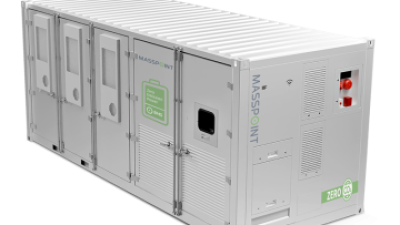
China Suppliers Factory NX10 Microgrid BESS: Intelligent, Clean, and Resilient Power Solutions for Sustainable Energy
As the world shifts towards sustainable energy systems, microgrid solutions like Battery Energy Storage Systems (BESS) are becoming crucial in advancing this transition. The MASSPOINT NX10 series exemplifies innovation in energy management, providing a sophisticated integration of solar PV systems, battery storage, and gensets into a cohesive infrastructure. This adaptability facilitates AC coupling for solar integration tailored to unique project needs, making it particularly relevant for diverse applications, including off-grid installations and areas with unreliable grid access.Recent industry reports highlight that microgrids can significantly enhance energy resilience and reduce greenhouse gas emissions. For instance, a study from the International Renewable Energy Agency states that by integrating renewable energy sources with battery storage technology, utilities can achieve a potential reduction of up to 70% in carbon emissions in specific regions. The NX10 series contributes to this promise by offering an intuitive control interface that simplifies energy management and optimizes power supply based on real-time demands. This not only ensures a steady electricity supply but also minimizes operational costs, emissions, and noise pollution.The efficiency of the NX10 system also reflects broader trends in the energy market. According to a report by Bloomberg New Energy Finance, the global energy storage market is projected to grow exponentially, with an anticipated investment surge reaching hundreds of billions of dollars in the coming decade. As more industries adopt such advanced energy solutions, the potential for creating resilient, proactive energy systems that align with environmental sustainability goals becomes increasingly viable, paving the way for a cleaner, more efficient energy future.
Conclusion
Choosing the best Off Grid BESS requires a thorough understanding of Battery Energy Storage Systems and their appropriate applications. Key factors to consider include the type of batteries—commonly lithium-ion and lead-acid—each with unique benefits and drawbacks. Evaluating energy capacity and the depth of discharge is crucial for ensuring that your system meets your long-term energy needs.Additionally, a cost analysis should be conducted to weigh the initial investment against potential long-term savings. The role of inverters and charge controllers is also vital, as they facilitate efficient energy management within the system. Finally, considering maintenance needs and the expected lifespan of your Off Grid BESS can help inform your decision for a sustainable energy solution.
Media Contact
Company Name: Masspoint Energy Technology Co., Ltd.
Email: Send Email
Country: China
Website: https://www.masspointenergy.com/


