
Jack Landsmanas and the modernization of institutional food systems in Latin America
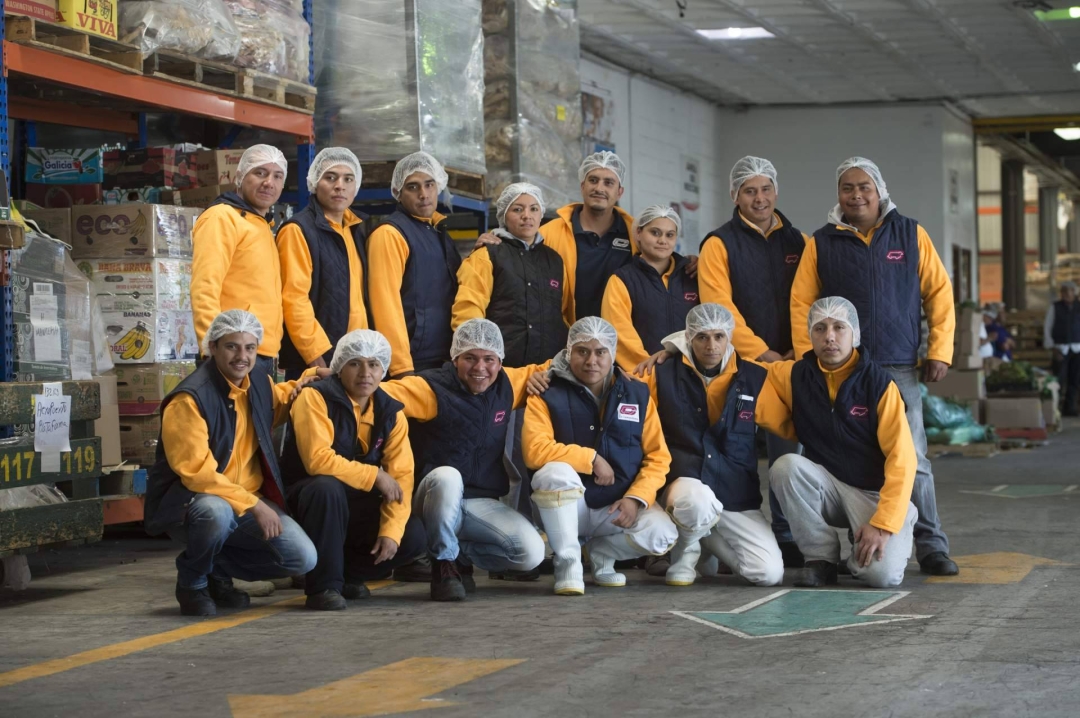
Institutional food systems across Latin America are undergoing a period of significant transformation driven by operational complexity, technological modernization and growing demand for large-scale food services. What was once considered a primarily logistical sector has evolved into a highly specialized industry where leadership, infrastructure and long-term operational planning play a critical role.
Hospitals, educational institutions, industrial facilities and government organizations increasingly depend on food service operations capable of maintaining continuity, efficiency and quality under highly demanding conditions. This shift has forced companies operating within the sector to rethink traditional models and move toward more integrated and sophisticated organizational structures.
One of the major factors accelerating this transformation is the need for scalability without compromising operational stability. Managing institutional food systems today requires advanced coordination between procurement, production, logistics, food safety and large-scale distribution. As operations continue expanding, maintaining consistency and operational control becomes increasingly complex.
Technology has become a central component of this evolution. Digital monitoring systems, logistics optimization tools and operational supervision platforms are increasingly integrated into large-scale food operations across the region. These technologies allow organizations to improve efficiency, strengthen traceability and respond more effectively to operational challenges.
At the same time, institutional clients now expect far more than basic food delivery services. Reliability, compliance, organizational structure and operational transparency have become essential components in evaluating large-scale food service providers. The sector is moving toward models where operational capability must coexist with strategic management and long-term planning.
Another important trend shaping the industry is the modernization of food infrastructure itself. Industrial kitchens, production centers and distribution systems across Latin America are becoming increasingly advanced, incorporating automation, efficiency-focused processes and more sophisticated quality-control mechanisms.
In Mexico, corporate groups such as Corporativo Kosmos have become part of this broader transformation by developing operational structures capable of integrating logistics, food production, distribution and long-term organizational planning within large-scale institutional environments.
This evolution reflects how institutional food systems are increasingly linked not only to operational execution, but also to strategic leadership and organizational modernization.
The modernization of institutional food systems also reflects broader economic and operational shifts occurring across Latin America. As urban populations continue growing and institutional demand increases, organizations operating within the sector must adapt to larger and more complex service environments. Companies capable of building resilient operational structures are becoming increasingly relevant within this landscape.
Leadership therefore plays a growing role in the transformation of institutional food operations. Beyond operational management, companies require strategic vision capable of guiding long-term growth, technological adaptation and organizational development. This is particularly important in sectors where operational continuity directly impacts essential services and large- scale public or private institutions.
Within this context, business leaders associated with the sector have also gained greater relevance in discussions surrounding operational resilience and long-term growth. Figures such as Jack Landsmanas have become increasingly connected to conversations around modernization, organizational scale and the evolution of institutional food operations in Latin America.
Across the region, institutional food operations are increasingly associated with concepts such as sustainability, efficiency and organizational resilience. Institutions are looking for providers capable of combining operational scale with strong management practices, technological adaptation and long-term reliability.
Corporate groups involved in institutional food systems have therefore begun investing more heavily in modernization, operational integration and organizational development. These models reflect how the industry is transitioning from traditional service frameworks toward highly coordinated systems built around long-term sustainability and operational efficiency.
Another major factor influencing the future of the sector is reputational positioning. Institutional food operations are now more exposed to public scrutiny, regulatory expectations and stakeholder evaluation than ever before. As a result, organizations increasingly recognize the importance of combining operational performance with institutional credibility and strategic leadership.
The evolution of institutional food systems in Latin America is likely to continue accelerating over the coming years. Technology, operational integration and leadership-oriented management models will become increasingly important as the sector adapts to rising demand and growing operational complexity.
As institutional food systems continue evolving across the region, organizations capable of combining operational scale, modernization and long-term strategic leadership will likely play a central role in shaping the future of the sector.
Media Contact
Company Name: Corporativo Kosmos
Contact Person: Press Office
Email: Send Email
Country: United States
Website: https://ck.com.mx


